Navigating the Neighborhood Opposition
Development is often stalled when local residents fear noise, traffic, and decreased property values. Recent headlines, such as the opposition in SW Allen County, demonstrate that "does not fit" sentiment is the primary hurdle for developers. Proactive engagement, not just legal compliance, is the key to moving forward.
When proposing a new site, address traffic flow concerns early, similar to the discussions regarding the Sandpoint City Beach RV Park. Demonstrating clear traffic management plans and respecting the character of the surrounding area can turn local skeptics into neutral observers.
Zoning and Regulatory Compliance
Ignoring permit requirements or pushing boundaries often leads to disaster, as seen in cases where nonprofits opened without proper city permits or owners faced eviction proceedings over zoning violations. Always ensure your site plans are transparent and fully vetted by local planners before breaking ground.
Washington County planners have denied rezoning requests based on land-use concerns like the 'this is farmland' argument. If you want a successful project, align your development strategy with the city's long-term master plan to avoid being stymied by council votes.
Building a Sustainable Community Culture
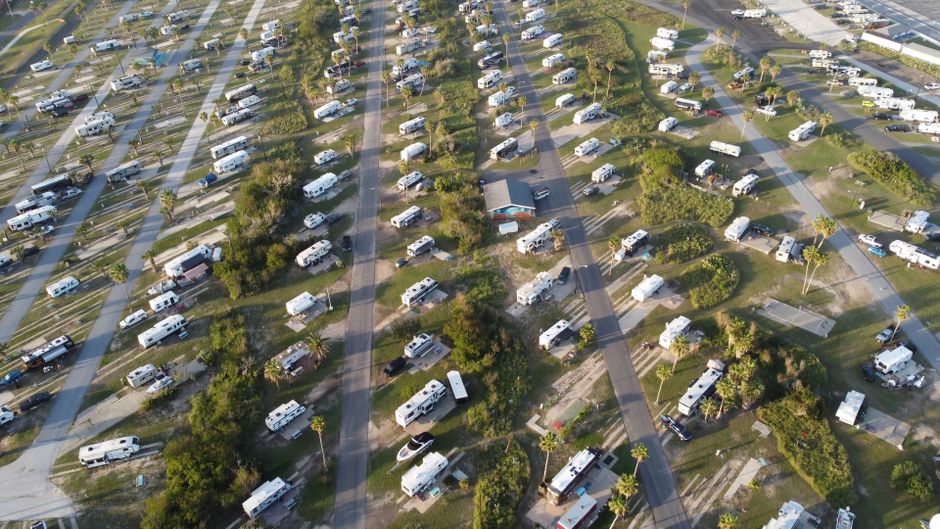
To prevent your RV park from becoming a toxic environment, you must balance transient holiday campers with long-term residents. When data center workers or short-term vacationers pack a park to capacity, it often strains infrastructure and community relations.
- Clearly define park rules for both short-term and long-term stays.
- Implement fair, transparent eviction policies to protect community safety.
- Prioritize infrastructure investment to accommodate peak holiday occupancy levels.