




When Waters Rise: The Reality of RV Park Disasters
Nature can turn a peaceful camping getaway upside down in a matter of hours. From relentless seasonal rains to sudden flash floods, RV parks across the country face severe environmental threats. When disaster strikes, the immediate priority shifts from hospitality to life safety, emergency evacuations, and rapid response coordination.
For RVers, being caught in a flash flood means dropping jacks, securing loose gear, and heading to higher ground instantly. For park owners, the aftermath reveals a daunting landscape of washed-out gravel pads, compromised electrical pedestals, and massive cleanup operations. Yet, amidst the mud and debris, stories of resilience consistently emerge.
Finding Hope Amidst Destruction
In places like Pagosa Springs, recent flood events left behind trails of severe damage. However, owners taking stock of their properties often find unexpected symbols of hope—such as a single dry spot or an untouched meadow that survived the raging currents. These resilient patches serve as a blueprint and a morale boost for the long road to recovery.
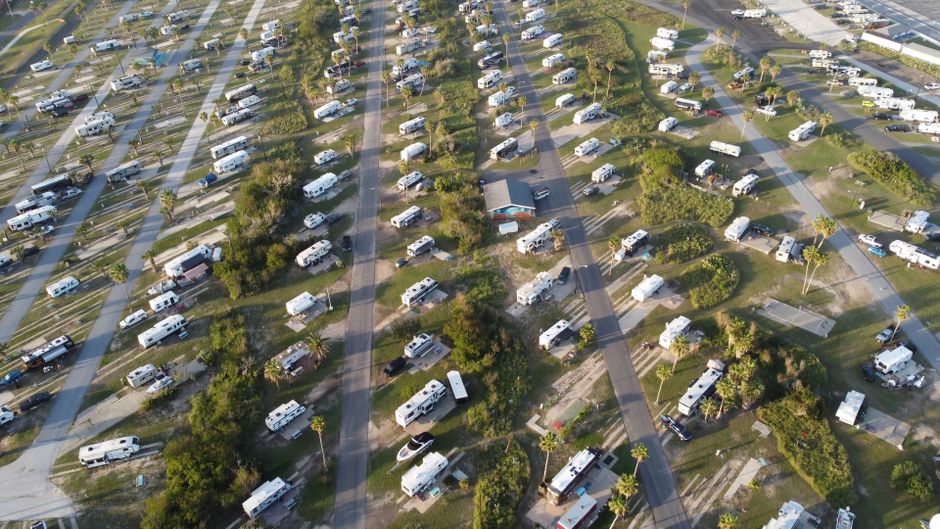
Rebuilding after two major floods requires more than just physical labor; it demands strategic planning and mental fortitude. Owners vow to rebuild not just to restore operations, but to upgrade infrastructure so the property can withstand future weather anomalies. Sustainable grading, elevated electrical connections, and reinforced retaining walls become the new standard for modern campground design.
Actionable Steps for RV Park Recovery and Preparedness
Whether you are a park operator planning mitigation strategies or an RVer navigating stormy seasons, preparation is key. Here are essential steps to handle weather disasters effectively:
- Develop a Comprehensive Emergency Plan: Establish clear evacuation routes, automated weather alert systems, and communication protocols for guests.
- Upgrade Infrastructure Resilience: Rebuild with water-resistant materials, move electrical transformers above flood lines, and improve natural drainage basins.
- Secure Proper Insurance Coverage: Ensure your commercial property or RV insurance includes specific riders for flash floods and business interruption.
- Leverage Natural Topography: Protect native meadows and tree lines that act as natural sponges and buffers against rising water currents.
Staying Safe on the Road and in the Park
Disaster recovery reminds us that safety always comes first in the RV community. Always monitor local weather warnings when camping near rivers or low-lying valleys. Knowing your campground's layout and nearest high-ground exit can make all the difference when seconds count.
As parks rebuild and open their gates once again, supporting these businesses helps local outdoor economies thrive. The road to recovery is long, but with community support and smart engineering, RV parks continue to stand strong against the elements.