



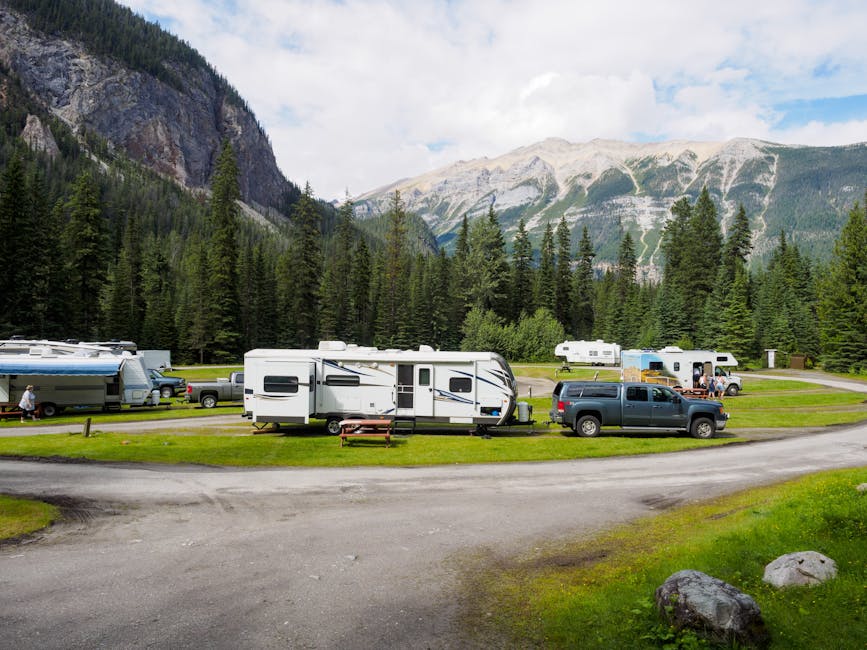
The Shift in Municipal RV Parking Laws
If you have noticed a sudden influx of "No Overnight Parking" signs or stricter municipal codes during your recent travels, you are not alone. Across the United States, more towns and cities are tightening RV parking rules in response to local congestion, zoning complaints, and an increase in long-term street camping.
From bustling metropolitan hubs to quiet suburban neighborhoods, local governments are rewriting codes to restrict where oversized vehicles can park. Understanding these evolving local ordinances is essential to avoiding costly parking tickets, midnight knocks from local law enforcement, or worse, having your rig towed.
Residential Bans and Overnight Restrictions
The trend of expanding overnight RV parking bans into residential areas is gaining major traction. Municipalities like Palo Alto are leading the charge, implementing strict limitations on street parking for large recreational vehicles, commercial trucks, and trailers near homes.
Even if you are just visiting family or stopping over for a single night in a residential driveway, local HOA rules and city bylaws often prohibit street parking for more than a few hours. Always check municipal codes before unhitching your toad or setting up temporary camp in a neighborhood.
Tips for Navigating Residential Restrictions
- Call the local police non-emergency line or city code enforcement office ahead of time to ask about street parking leniency.
- Communicate with neighbors if you are temporarily parked in a driveway to maintain goodwill and prevent complaints.
- Never rely on old travel blogs for parking legality; municipal codes change rapidly.
Innovative Solutions: Self-Storage and Alternative Parking
As traditional street and municipal parking options shrink, town planners and developers are looking for alternative solutions. A prime example is the growing trend of town planners endorsing RV and boat parking at dedicated self-storage facilities, much like recent proposals in Smithfield.
Utilizing secure storage facilities or commercial lots not only keeps your investment safe when not in use, but it also provides a legal, off-street solution that satisfies local zoning boards. Many modern storage lots now feature power hookups, dump stations, and 24/7 security gate access.
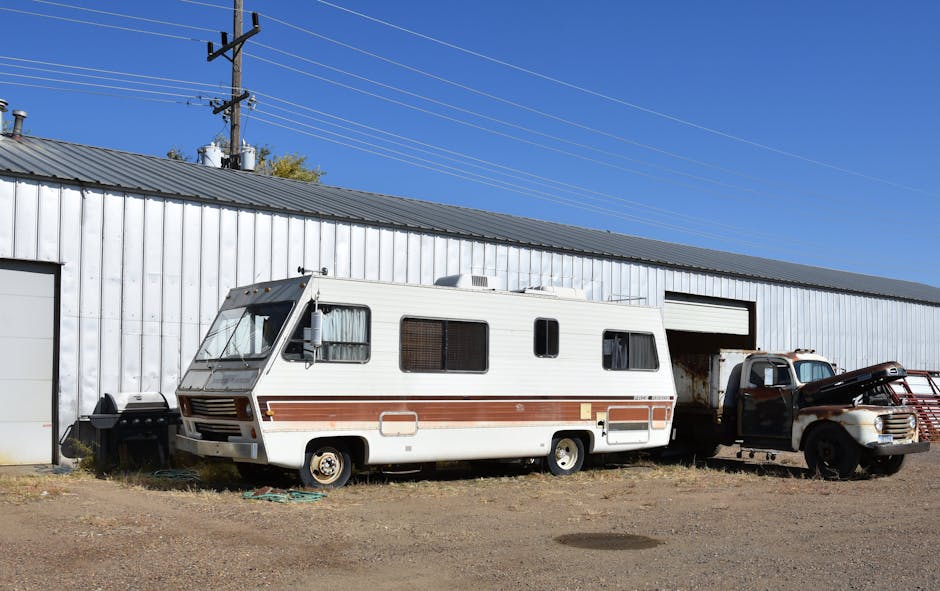
How to Find Safe, Legal Overnight RV Parking
When you are out on the open road, finding a legal place to sleep for the night requires strategy and respect for local laws. Skip the residential streets and unauthorized shoulder parking in favor of verified options.
- Download reputable apps and directories that track legal overnight parking locations like Cracker Barrel, Walmart, and participating casinos.
- Always ask permission from business managers before parking on private commercial property overnight.
- Support local businesses by grabbing supplies or a meal if you utilize their parking lots.
- When in doubt, book a site at a local state park, private campground, or dedicated RV resort for total peace of mind.