




The Shifting Landscape of RV Parking Regulations
Municipalities nationwide are fundamentally reshaping how they handle oversized vehicles and mobile accommodations. Recent headlines highlight growing friction between urban planners, local residents, and the nomadic RV community. From proposed overnight bans in New Bedford to mayoral vetoes and parking reform debates in Seattle, local governments are actively rewriting the rules of the road for campers and motorhomes.
Understanding these shifting regulations is essential for any modern RVer. What was acceptable last season might result in a hefty fine or a midnight knock today. Staying informed protects your budget and ensures your travels go smoothly without unexpected logistical nightmares.
Recent Municipal Crackdowns: What You Need to Know
City councils from coast to coast are introducing stricter ordinances targeting street-parked campers. Mayors in cities like New Bedford have proposed outright bans on overnight RV parking, citing neighborhood congestion and sanitation concerns. Meanwhile, Pacific Northwest hubs like Seattle are constantly battling over parking reform, trying to balance public space management with the needs of vehicular residents and travelers.
Common Triggers for New Ordinances
- Extended parking limits in residential zones (often capped at 72 hours or less).
- Total prohibitions on sleeping or living inside vehicles parked on public streets.
- Strict enforcement of oversized vehicle dimensions on standard neighborhood roads.
- Proximity restrictions near public parks, schools, and local businesses.
Smart Strategies for Finding Legal Overnight Parking
When city streets become off-limits, you need a reliable backup plan. Relying on guesswork is a surefire way to get a knock from local law enforcement. Instead, build a dependable route strategy that prioritizes pre-approved overnight locations.
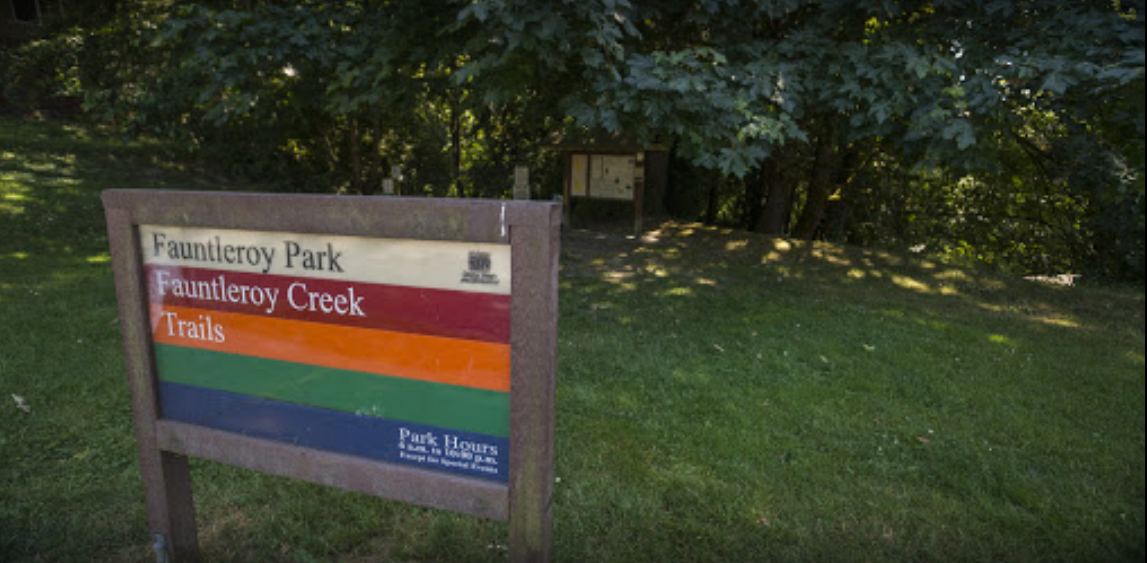
Before heading into urban centers like Seattle, scout out legal alternatives. While exploring the area, you can visit local green spaces like Fauntleroy Park to enjoy nature during the day, but always ensure your rig is safely tucked into an authorized campground or designated overnight facility by nightfall.
Actionable Steps to Stay Compliant
- Always research local municipal code regarding oversized vehicles before entering a new city limit.
- Download dedicated apps and use verified directories to locate safe, legal RV parks and private land overnight options.
- Check in with local businesses or big-box stores that historically permit overnight RV staging, and always ask management for permission.
- Keep your rig looking tidy and mobile to avoid drawing complaints from neighborhood residents.