



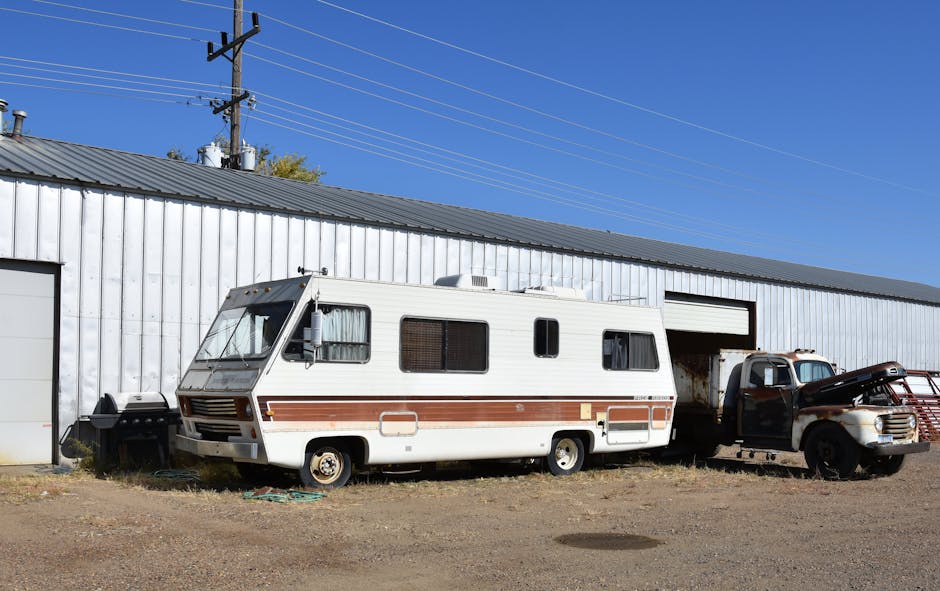
Why Dedicated RV Storage Matters
Storing your RV in a purpose-built structure is the single best way to prolong the life of your seals, roof, and tires. Exposure to constant UV rays, heavy snow loads, and moisture leads to premature degradation that can cost thousands in repairs.
Whether you are a weekend warrior or a full-time traveler, a climate-controlled or well-ventilated storage building provides a secure environment. It shields your investment from the elements while providing a staging area for maintenance and packing.
Essential Design Considerations for RV Buildings
When planning your storage structure, you must prioritize clearance and accessibility. An RV is significantly taller and wider than a standard passenger vehicle, and you need to account for slide-outs.
Dimensions and Clearance
Aim for a minimum door height of 14 feet to accommodate modern Class A motorhomes. The width should be generous enough to allow you to walk around the rig comfortably with the slides fully extended, which typically means a bay width of at least 16 to 20 feet.
Flooring and Foundation
Concrete slabs are the gold standard for RV storage. They prevent moisture migration from the ground, which is crucial for preventing undercarriage rust and interior mold. Ensure your floor is engineered to handle the specific point-load weight of your RV's leveling jacks.

Security and Utility Integration
Your storage building should be more than just a shed. Incorporating the right utilities makes the transition from storage to travel seamless.
- Electrical Hookups: Install a 30-amp or 50-amp circuit so you can keep your batteries charged and run a dehumidifier or trickle charger.
- Security Systems: Use motion-activated LED lighting and camera systems that allow remote monitoring via smartphone.
- Ventilation: Proper roof vents or passive ridge vents are essential to manage internal humidity, even in dry climates.
Maintaining Your Rig Between Trips
Once you have the perfect building, keep your maintenance routine tight. Even with a dedicated structure, you should regularly inspect your roof sealant and tire pressure. When you are ready to head out, having your gear staged inside the storage building makes the departure process significantly faster and less stressful.