



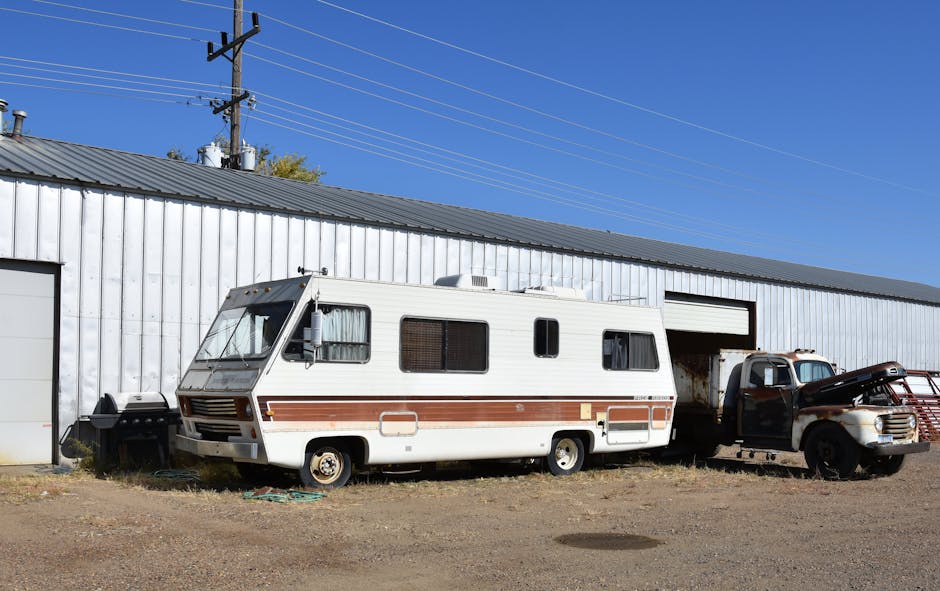
Choosing the Right Motorhome Storage
Whether you are storing a Jayco Greyhawk or a large Class A, the environment makes all the difference. Exposure to UV rays, snow, and moisture is the fastest way to degrade your roof seals and tires.
Covered vs. Indoor Storage
Covered storage is the gold standard for most owners. It protects your rig from direct sunlight and falling debris while maintaining the airflow needed to prevent mold. If you live in a harsh climate, seek out climate-controlled indoor buildings to prevent internal plumbing issues.
Technical Essentials for Long-Term Parking
Reddit threads often highlight the frustrations of post-storage maintenance, especially regarding water systems. Before leaving your rig, ensure your water hookup is completely drained and lines are blown out with compressed air to prevent freezing.
- Disconnect the house batteries to prevent parasitic drain.
- Use tire covers to shield rubber from UV-induced cracking.
- Place moisture absorbers inside the cabin to prevent mildew growth.
- Always level your rig properly to ensure slide-out seals remain seated.
Designing Your Own RV Storage Building
If you have the space to build a dedicated structure, focus on ventilation and accessibility. A 14-foot tall door is the industry standard for most motorhomes, but always account for the height of your AC units and satellite dishes.

Incorporate a dedicated 30-amp or 50-amp power hookup inside the structure. This allows you to keep your batteries charged via a trickle charger without running your onboard generator.