



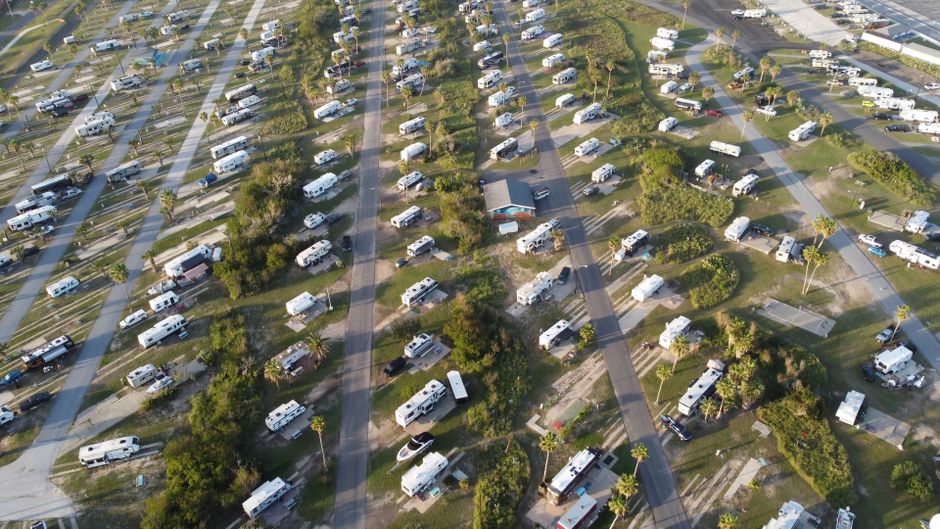
Navigating RV Park Hazards: What You Need to Know
The open road is full of adventure, but not every destination is created equal. Recent reports of everything from failing infrastructure—like the incident where a rotten tree crushed a truck at a [Wichita Falls RV Park](/park/wichita-falls-rv) location—to rodent-related gas line explosions remind us that safety is about more than just locking your door.
When choosing a site, your first inspection should be overhead and underground. Look for "widow-makers" (dead tree limbs) hanging over your roof and ask management about their maintenance schedule for electrical and utility pedestals.
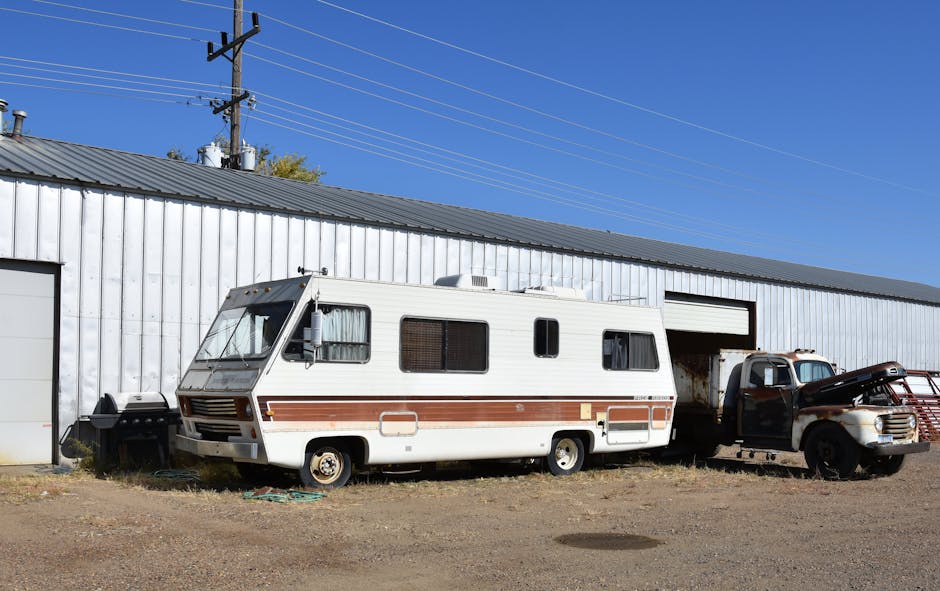
Identifying Red Flags in Park Management
A well-managed park is usually a safe one. You can often gauge the environment by how the management handles tenant selection and site maintenance. If a park has a history of renting to transient contractors for long-term stays, or if there are ongoing reports of site neglect like the issues seen at Brawley Palm Lane, take note.
Signs of a Toxic Park Environment
- Frequent police presence or multiple reports of criminal activity in local news.
- Evidence of deferred maintenance, such as unkempt lots, broken utility covers, or overgrown hazardous trees.
- Management that ignores resident feedback regarding safety or "disturbing the peace" complaints.
Actionable Safety Steps for Every Traveler
You can proactively reduce your risk by following a standard security protocol at every new stop. It only takes a few minutes, but it can save you significant trouble down the line.
- Use an electrical management system (EMS) to detect faulty wiring, which can prevent electrical fires or equipment damage.
- Keep your rig "locked and loaded." Ensure your insurance policy is up-to-date and that you have a secondary way to secure your storage bays.
- Trust your gut. If you pull into a park and the atmosphere feels off—or if your neighbors are engaging in erratic behavior—don't hesitate to leave and forfeit your deposit. No amount of money is worth your family's safety.