



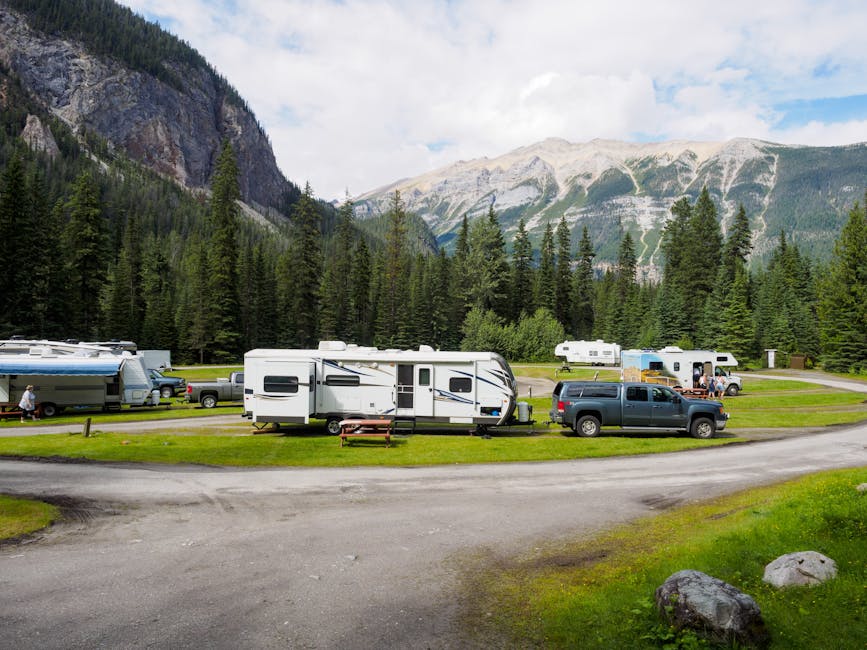
Fire Safety and Preparedness
Recent incidents, such as the trailer fire at Tiki RV Park in Peru and the blaze in Westside Albuquerque, serve as a stark reminder that fire safety is non-negotiable. RVs are susceptible to rapid fire spread; keeping a verified, working fire extinguisher and a smoke detector is mandatory for every trip.
Always inspect your campground site for potential hazards upon arrival. Ensure your shore power connection is secure and your propane lines are free of leaks before settling in for the night.
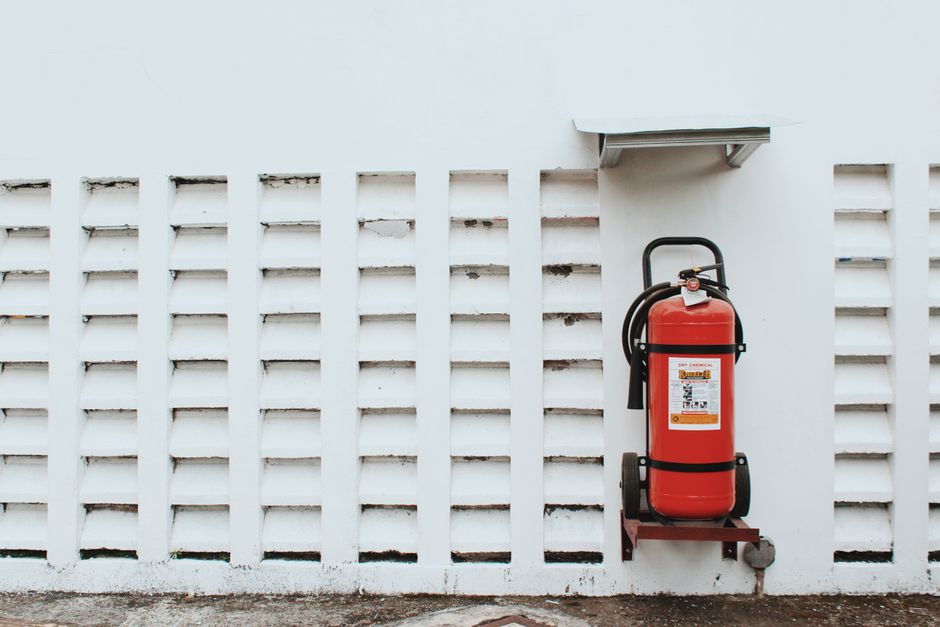
Understanding Your Legal Rights as a Guest
Many travelers wonder: can an RV park legally refuse to rent you a campsite? The law generally draws a line between private business rights and discriminatory practices. While private parks have the authority to enforce rules and codes of conduct, they must adhere to state and local regulations.
Disputes, such as the labor-related legal battles seen in Alberta, highlight the importance of reviewing campground contracts. Before booking a long-term stay, read the fine print regarding eviction policies, safety liabilities, and site maintenance expectations.
Navigating Park Management Disputes
Conflicts with management, often jokingly referred to as dealing with "Camp Crybabies," can escalate quickly. If you encounter a safety or legal issue, it is vital to document every interaction with park staff immediately.
- Maintain a written record of all complaints and responses.
- Take photos or videos if you witness unsafe conditions at the facility.
- Review the park's published rulebook to ensure you understand their enforcement policy.
- Escalate issues to local code enforcement if management fails to address life-safety hazards.