



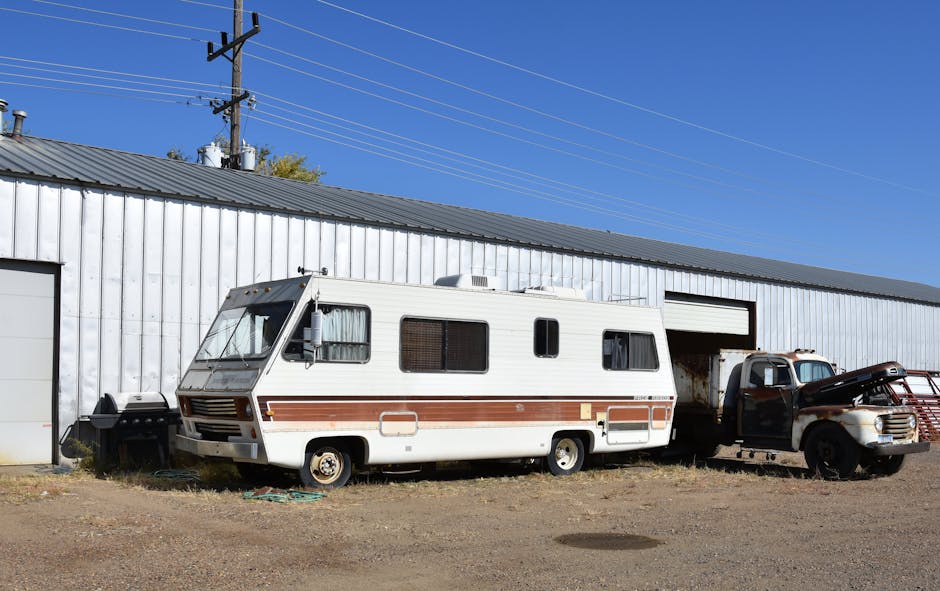
Navigating Motorhome Storage Options
Finding the right home for your RV when you aren't on the road is critical to its longevity. Whether you are looking at covered storage to shield your roof from UV rays or high-security self-storage facilities, your choice depends on your local climate and budget.
Before booking, always verify the site's security measures. Ask about gate access, surveillance, and whether they offer climate-controlled environments for sensitive electronics. Remember that an RV sitting in an open field without protection is prone to faster wear than one stored under a canopy or within a structure.
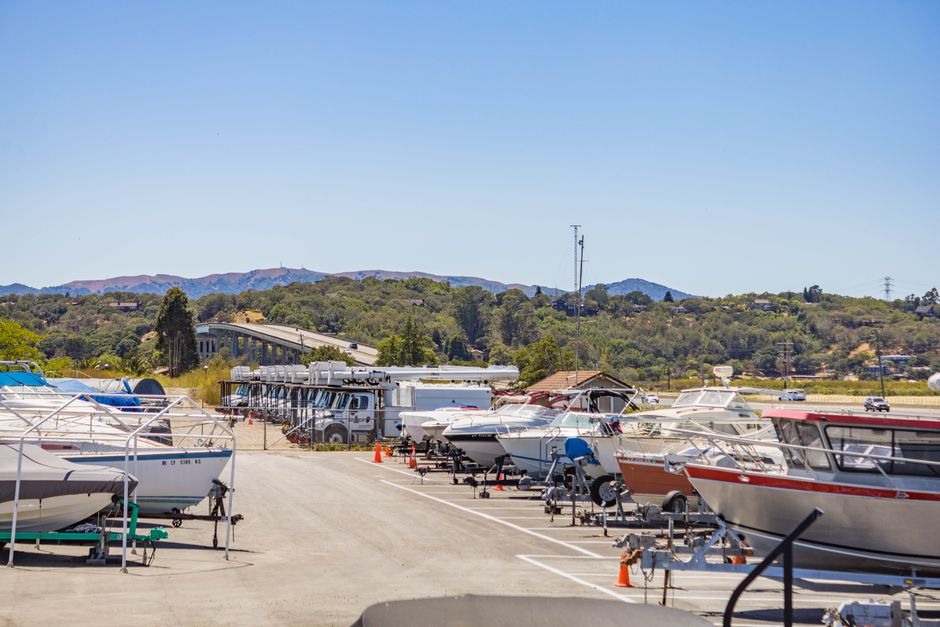
Tire Care and Maintenance During Storage
The biggest mistake RV owners make is leaving their tires resting on bare ground for months at a time. Tires lose air pressure over time and are susceptible to dry rot when exposed to harsh sunlight and ground moisture.
- Use tire covers to protect the sidewalls from damaging UV rays.
- Place leveling pads or pressure-treated plywood under the tires to act as a moisture barrier between the rubber and the dirt.
- Check tire pressure monthly; keeping them inflated prevents flat spots and structural deformation.
Designing and Selecting the Right Space
When designing your own storage building or selecting a facility, keep accessibility in mind. You need enough turning radius to maneuver your rig without hitting gate posts or adjacent vehicles. The surface should be level and composed of gravel or concrete to ensure the weight of the RV is distributed evenly.
If you are looking for professional services, keep an eye out for regional expansions by providers like Lawson, which are increasingly offering specialized parking solutions. Always ensure the facility has clear drainage paths to prevent water from pooling under your chassis during heavy rain or snowmelt.