



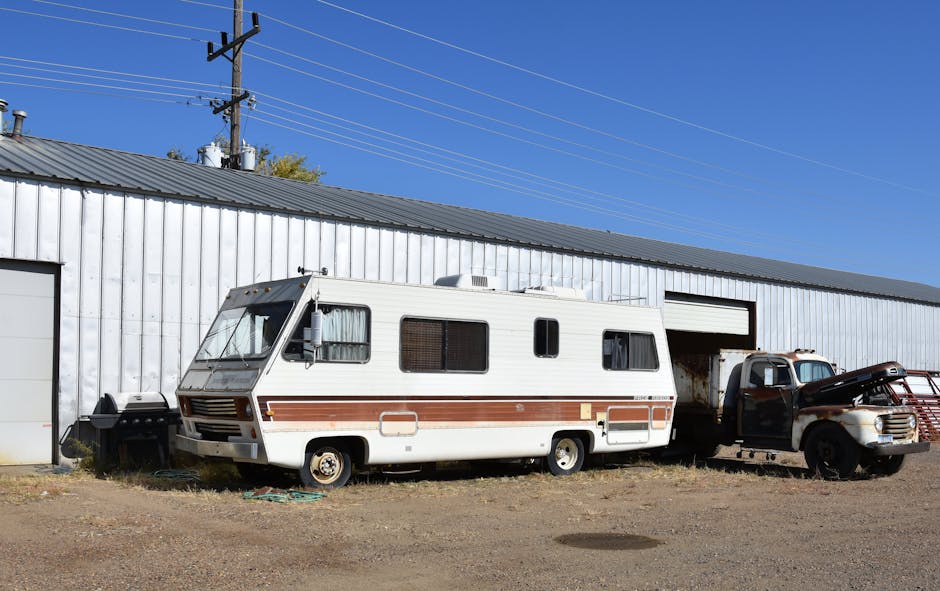
The Changing Landscape of RV Parking
Municipalities are increasingly tightening restrictions on where oversized vehicles can reside. From cities like Palo Alto considering strict street bans to Lompoc increasing penalties for public camping, the trend is moving away from curbside storage.
Understanding your local ordinances is the first step in avoiding hefty fines. Many cities are transitioning toward designated parking zones, so check if your area has established specific allotments for RVs rather than relying on residential street parking.
Choosing the Right Storage Facility
When street parking becomes a liability, seeking out dedicated storage is the safest bet. Whether you need a short-term solution or long-term seasonal storage, prioritize security and accessibility.
Covered vs. Uncovered Storage
Covered storage is your best defense against UV damage and harsh weather, which are the silent killers of RV roofs and rubber seals. While it comes at a premium, it often pays for itself by reducing maintenance costs over the long run.
Designing Your Own Storage Building
If you are looking to build a private structure, keep zoning height restrictions in mind. Modern RV storage designs should account for power hookups, climate control for sensitive electronics, and enough clearance for easy maneuvering of larger rigs.
Actionable Tips for Compliant Parking
To keep your rig out of trouble and in top shape, follow these best practices:
- Research local "oversized vehicle" definitions, as these can vary significantly between counties.
- Use a storage facility that offers 24/7 security cameras and gated access.
- Always check for HOA or neighborhood covenants, as they often have stricter rules than the city itself.
- Prioritize storage near your frequent travel routes to minimize the hassle of picking up your RV before a trip.