




The Myth of Campsite Ethernet
If you are scouring forums asking, "Anyone seen ethernet hookups at RV sites?" the answer is almost universally no. While high-end luxury resorts are beginning to prioritize fiber-to-the-site, direct plug-and-play ethernet is not a standard amenity in the RV industry.
Most campgrounds rely on local Wi-Fi repeaters, which are notoriously slow and unreliable. Relying on an ethernet jack at a pedestal is a dream that hasn't quite hit the mainstream of RV park infrastructure yet.
How to Build Your Own Reliable Network
Since you cannot count on site-provided hardlines, building a robust personal network is your best defense. A mobile setup ensures you aren't at the mercy of a park's overloaded Wi-Fi signal.
Essential Gear for RV Connectivity
- Cellular Router with External Antenna: This captures weaker signals and amplifies them for your devices.
- Dual-SIM Capability: Use two different carriers to ensure you have a backup when one tower is congested.
- Wi-Fi Extender: Good for catching the park signal when it is actually functional.
Choosing the Right Location
When planning your route, prioritize parks that explicitly mention high-speed Wi-Fi or have good cell tower proximity. While ethernet is rare, signal strength is not.
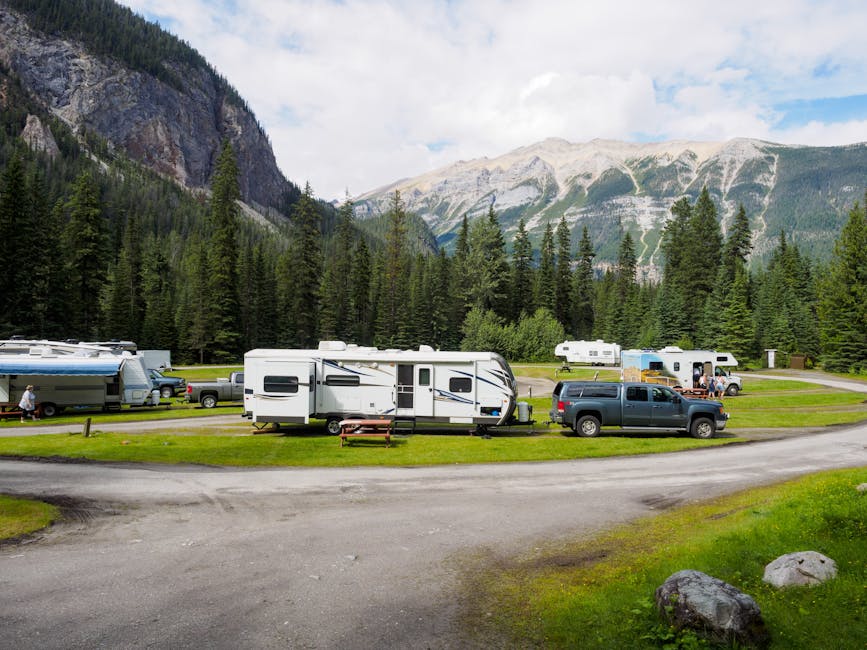
Always check the cellular map for your destination. Being located in a valley or dense forest might mean that even your best router will struggle to pull a signal. Plan your stops based on cell tower proximity to avoid the "digital desert" experience.
Practical Pro-Tips for Staying Online
- Download all large media files or updates during off-peak hours at public libraries or coffee shops.
- Invest in a high-quality portable hotspot with an external antenna port.
- Consider Starlink if your budget allows for a permanent high-speed satellite solution.