




The Modern Dilemma of Occasional Boondocking
If you only spend a handful of nights a year camping without hookups, upgrading your RV's entire electrical system can feel like overkill. Built-in lithium upgrades and heavy inverter installs require time, technical know-how, and a serious financial commitment. That is why portable power stations have taken the RV community by storm, sparking heavy debates across forums like Reddit.
The core question many weekend warriors ask is simple: Do I really need an expensive lithium generator just to run a few gadgets for a couple of nights? To answer that, we need to look past the marketing hype and examine how much power you actually consume when you leave the grid behind.
What Can a Portable Power Station Actually Do?
Unlike permanent house batteries that tie into your RV's 12V fuse panel, portable power stations are essentially giant, all-in-one power banks equipped with AC outlets, DC ports, and USB-C fast chargers. They operate silently, emit no fumes, and can be charged up via solar panels, your tow vehicle, or a standard wall outlet before you leave home.
Typical Weekend Power Demands
- Smartphones, tablets, and e-readers for the whole family
- CPAP machines for uninterrupted overnight sleep apnea therapy
- Laptops and mobile hotspots for remote work or trip planning
- Drones, camera batteries, and portable fans to beat the heat
For devices like these, a mid-range power station (around 500Wh to 1000Wh) easily handles a weekend without needing a recharge. However, if your goal is to run high-wattage appliances like hair dryers, coffee makers, or air conditioners, you will quickly drain even the largest units.
Weighing the Pros and Cons for Casual Campers
Before dropping hard-earned cash on a premium unit, it helps to weigh the tangible benefits against the drawbacks for occasional dry camping.
The Advantages
- Plug-and-play simplicity with zero permanent installation required.
- Portability means you can take the power outside to the picnic table or even use it at home during power outages.
- Quiet operation compared to traditional loud, gas-guzzling generators.
The Drawbacks
- Upfront cost can be high for units with large storage capacities.
- Weight increases drastically as you scale up battery capacity.
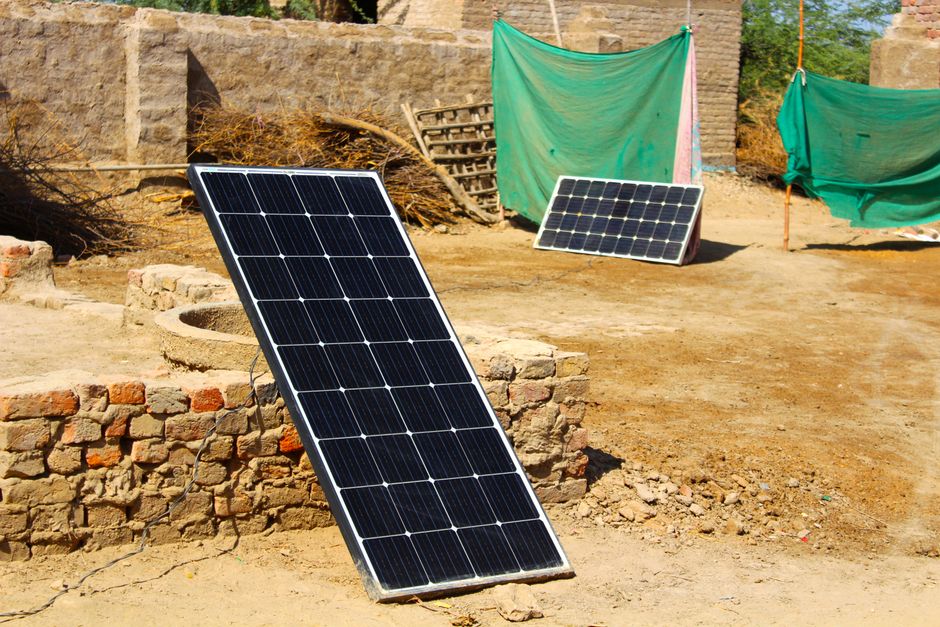
- Recharging without shore power requires investing in compatible solar panels or driving with a DC-DC charger.
The Verdict: Is It Worth Your Money?
If your RVing style consists of mostly full-hookup campgrounds with the occasional spontaneous dry-camping weekend, a portable power station is generally well worth the investment. It bridges the gap between roughing it and total comfort without requiring invasive modifications to your rig.
However, if you plan on transitioning to full-time boondocking or running heavy appliances, you are better off investing in a dedicated lithium house battery bank and a permanent inverter. Assess your actual gadget needs, check your budget, and choose a unit that matches your weekend adventure style.