




Understanding RV Park Vulnerabilities
Recent headlines reveal that no RV park is immune to disaster. Whether it is the wildfire that hit Holliday Out RV Park in Oklahoma City, the flooding at Amana RV Park, or the river surges impacting Pennsylvania campgrounds, nature can turn a vacation into an emergency in minutes.
The key to surviving these events is recognizing the signs early. Flooding often begins with localized heavy rain, while wildfire smoke can appear far ahead of the actual flames. Being aware of your immediate surroundings at parks like Holliday Out RV Park is the first step toward safety.
Essential Emergency Preparedness Steps
1. Create a "Go-Bag" for Your Rig
In a wildfire or flood evacuation, you may only have minutes. Keep a waterproof container near your door with essential documents, prescriptions, and cash. Always ensure your tow vehicle or motorhome has at least a half-tank of fuel at all times.
2. Stay Informed and Connected
Do not rely solely on park Wi-Fi during a disaster. Use a NOAA weather radio to stay updated on alerts. Sign up for local emergency text notifications in every county you visit to receive immediate warnings about floods, fires, or infrastructure failures.
3. Plan Your Escape Route
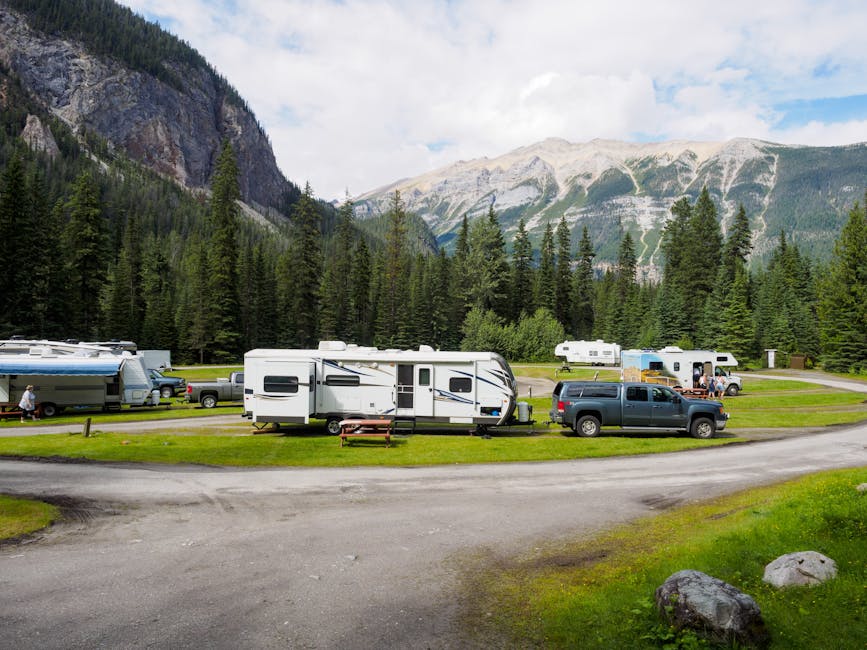
When you pull into a new site at parks like the Gila County RV Park & Batting Range, identify two ways out of the property. Check if there are narrow sections where traffic might bottleneck during a mass evacuation. Knowing your exit strategy ahead of time reduces panic when disaster strikes.
Recovering After an Emergency
If you are impacted by a disaster, reach out to park management immediately. Many facilities, such as the Pipestone RV park, have shown incredible community spirit by offering free stays for evacuees during crises. Don't be afraid to communicate your needs clearly to park owners and local relief organizations.