



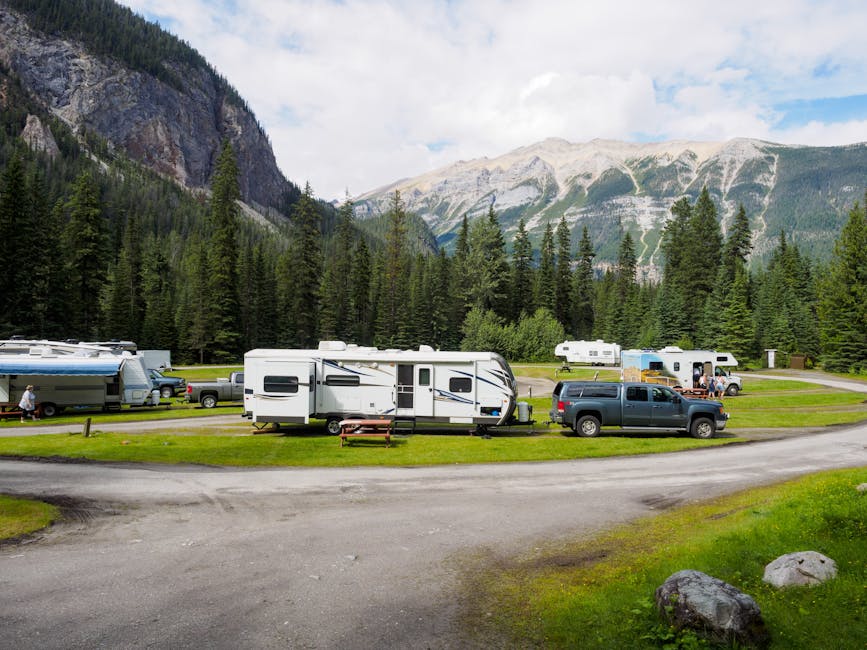
Are You Prepared to Evacuate?
Recent data indicates that over one-third of RVers have faced a mandatory campground evacuation. When severe weather hits, your RV is not a bunker; it is a vehicle that can be easily compromised by high winds or flooding.
Always keep your 'go-bag' packed and your tow vehicle hitched or ready to mobilize. Know the campground's emergency shelter location before you set up camp, and ensure you have a weather radio that functions even when cell service fails.
Responding to Sudden Storms and Tornadoes
The recent incident involving a suspected tornado striking a Michigan park serves as a stark reminder of how quickly conditions can deteriorate. If a tornado watch is issued, monitor local news immediately.
If a warning is issued, do not stay in your RV. Seek immediate shelter in a substantial, permanent building or a designated concrete storm shelter. Never try to outrun a tornado in a high-profile vehicle, as the risk of rollover is extreme.
Protecting Your Investment: Storage and Maintenance
Beyond immediate weather threats, protecting your RV during the off-season or long-term storage is vital. Designing RV storage buildings requires careful consideration of snow loads, wind uplift, and moisture control.
Investing in covered storage prevents UV damage to your roof seals and keeps your rig out of the path of falling branches or hail. A well-designed, ventilated structure significantly extends the lifespan of your RV's exterior and electrical components.