



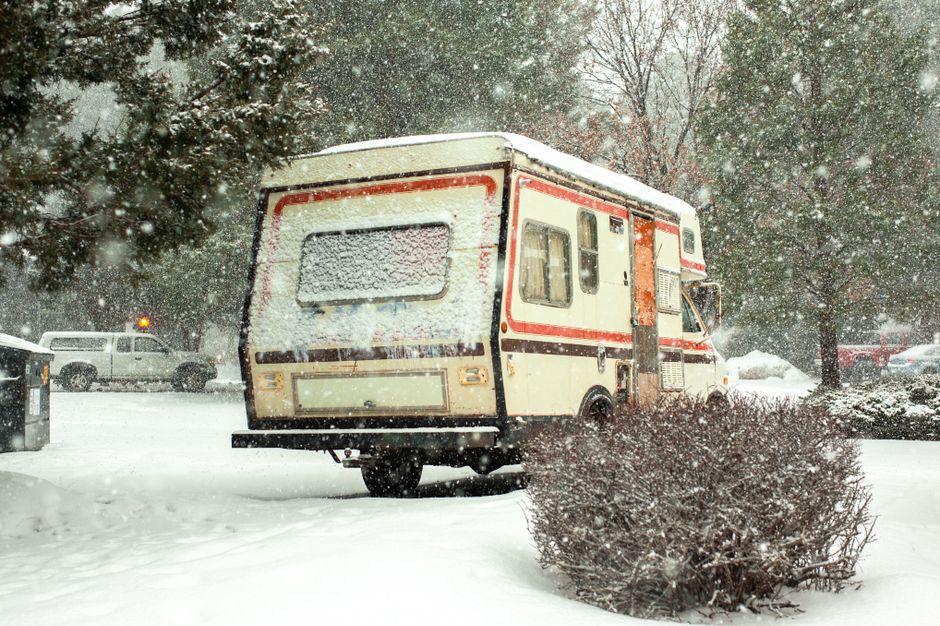
Navigating Early Freeze Warnings on the Road
Sudden temperature drops can turn an idyllic road trip into a logistical nightmare. When an early freeze warning is issued, your RV's plumbing and water systems are at immediate risk of severe damage. Taking proactive steps before nightfall is the single best way to protect your home on wheels.
Always monitor local forecasts and highway advisories as you transition between elevations and climate zones. Keep an eye out for black ice on bridges and shaded road sections, especially during early morning departures.
- Disconnect and drain your fresh water hoses immediately.
- Use your RV's onboard water pump and tank rather than external hookups if temperatures hover near freezing.
- Open under-sink cabinet doors to allow ambient heat to reach vulnerable water lines.
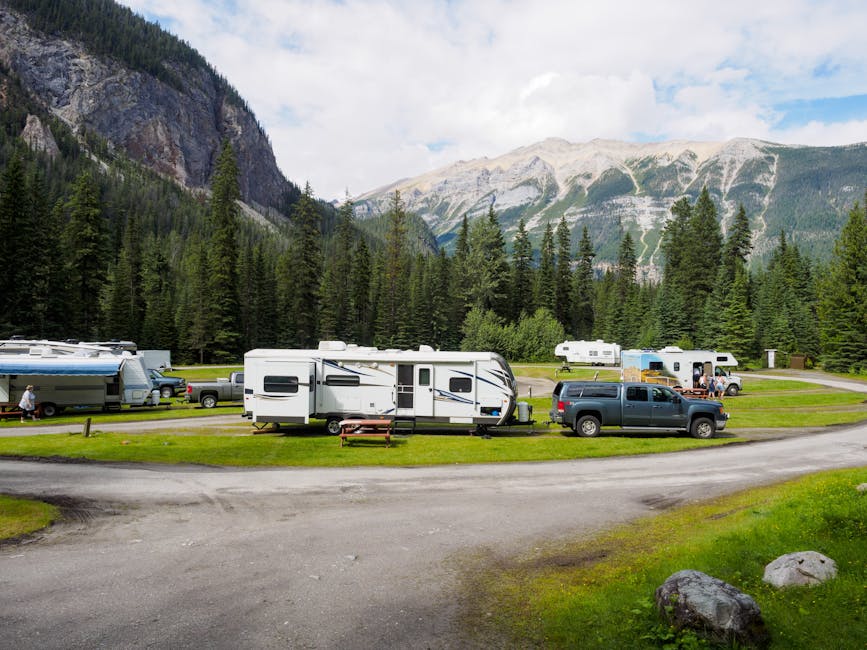
Decoding Campground Storm Closures and Market Shifts
Severe weather events frequently trigger sudden campground closures and operational shifts. According to recent industry insights from sources like Woodall's Campground Magazine, park operators increasingly rely on rapid-response closures to protect guests and infrastructure from flash floods, heavy winds, and heavy snowfalls.
Staying flexible is your best defense against unexpected itinerary changes. Always have a secondary route and a backup destination planned when traveling through volatile storm corridors.
- Sign up for real-time alerts from state park systems and private campground networks.
- Keep a digital copy of your reservations and emergency contact numbers handy.
- Maintain a fully charged auxiliary power source in case grid power fails due to storms.

Essential Gear and Safety Protocols for Severe Weather
When Mother Nature turns aggressive, having the right gear onboard makes all the difference. Beyond standard winterization kits, ensure you carry tire chains that fit your specific rig, a reliable weather radio, and extra fuel for your generator or propane heating systems.
Never attempt to drive through flooded roadways or heavy blizzard conditions just to make your next reservation. Prioritize safety, pull over in a well-lit and protected area, and wait out the worst of the weather system.