



Understanding Severe Weather Risks for RVers
Living on the road offers unmatched freedom, but it also exposes RVers to rapidly changing weather patterns. Recent tragic events in regions like southwest Colorado and New Mexico highlight how quickly flash floods can overwhelm low-lying campgrounds, often leaving little time to evacuate. Because RVs are lightweight and mobile, they are uniquely vulnerable to high winds, rapid water surges, and sudden temperature drops.
Monitoring local forecasts goes beyond checking if it will rain. It requires understanding terrain risks, such as camping near rivers, arroyos, or burn scars where flash flooding can occur with minimal warning. Staying situationally aware is the single most important habit an RVer can develop.
Navigating Flash Flood Warnings and Campground Safety
Flash floods can turn a peaceful riverside campsite into a disaster zone in minutes. Recent heavy rains near waterways like the San Juan River have proven that engineers' drainage plans and historical flood lines are not always enough to protect vulnerable park layouts.
Actionable Flood Safety Steps
- Never camp directly in riverbeds, dry washes, or low-lying flood zones during rainy seasons, even if the weather looks clear overhead.
- Identify higher ground near your RV park and map out an evacuation route that does not require crossing low-water bridges.
- Sign up for local emergency alerts and NOAA weather radio broadcasts whenever you hook up at a new destination.
- Disconnect your sewer and power lines immediately if water begins pooling around your jacks or tires.
Preparing for Early Freezes and Sudden Temperature Drops
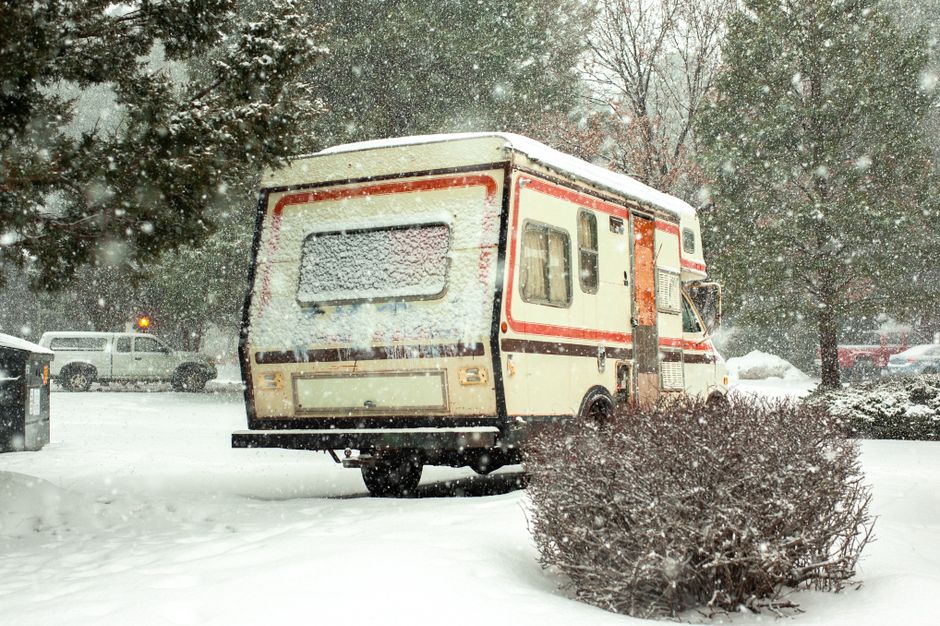
An early freeze warning can spell disaster for an uninsulated or unprepared RV plumbing system. When temperatures plunge below freezing overnight, exposed hoses, water pumps, and holding tanks are at high risk of cracking.
Always carry heated fresh water hoses, skirt your RV if staying in a freezing location long-term, and keep cabinet doors open under sinks to allow ambient heat to reach vulnerable pipes. If a severe overnight freeze is forecasted and you are not plumbed for winter conditions, disconnect your external water supply and rely on your onboard fresh water tank.
Road Conditions and Holiday Weekend Travel Planning
High-occupancy holiday weekends often coincide with peak travel stress, heavy traffic, and unpredictable weather systems. Driving a heavy, high-profile vehicle like a Class A motorhome or towing a large fifth wheel requires extra stopping distance and heightened awareness of crosswinds.
Always check state Department of Transportation (DOT) apps for real-time road closures, construction zones, and weather-related traction laws before hitting the highway. If roads become slick or visibility drops to dangerous levels, pull off at a safe truck stop or rest area rather than pushing through hazardous conditions.