




Embracing the Chill: Winter Camping Anyone?
Winter camping offers a serene, crowd-free experience that few summer travelers ever get to witness. Crisp air, snow-dusted landscapes, and quiet trailheads make trading the beach for the mountains completely worth it. However, transitioning from warm-weather RVing to freezing temperatures requires a shift in mindset and preparation.
Condensation management, propane budgeting, and keeping your holding tanks from freezing become your daily routine. With the right setup, your RV transforms into a cozy winter cabin on wheels. Don't let dropping temperatures park your rig in the driveway all season long.
Finding Open Campgrounds and Boondocking Spots in Winter
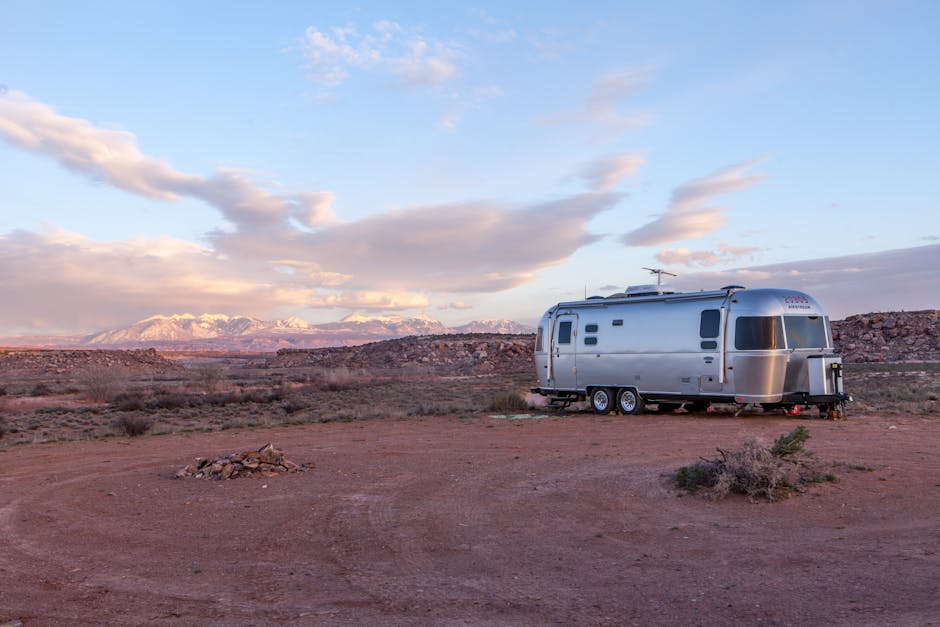
Many traditional public and private campgrounds close their gates after Labor Day or October, turning winter trip-planning into a bit of a treasure hunt. Public lands managed by the BLM and US Forest Service remain prime locations for winter boondocking, provided roads are accessible and snow isn't too deep. Always check local weather alerts and road conditions before heading into remote areas.
For structured stays, membership networks like Harvest Hosts and Boondockers Welcome are invaluable during the winter months. Many hosts—such as wineries, museums, and Christmas tree farms—remain open year-round. Utilizing these programs gives you access to unique, safe overnight parking when traditional campgrounds are shuttered for the season.
- Download offline maps and weather radar apps before heading out into low-service areas.
- Verify that your chosen Harvest Host location permits overnight stays in freezing conditions.
- Keep an eye on tire chains laws if traveling through mountain passes.
Essential Gear and Setup for Cold-Weather Survival
Keeping your plumbing system from freezing is priority number one when camping below freezing. Invest in a heated water hose, use skirting around the base of your RV to block wind, and keep your interior cabinets open to allow warm air to reach your interior plumbing lines. A dehumidifier or running your roof vents slightly open will also combat the heavy condensation that winter breathing and cooking generate.
For entertainment and ambiance during those long winter nights, many campers get creative with campsite decor. Setting up a mini-projector to display ambient lighting or movies onto the underside of your awning is a fun, lightweight solution for outdoor movie nights. Just make sure your gear is rated for cold temperatures and secure against winter winds.
- Insulate your windows with reflective foil panels or heavy thermal curtains.
- Stock up on extra propane tanks and consider a secondary catalytic heater for efficiency.
- Pack high-traction mats and a sturdy snow shovel for your campsite steps.