



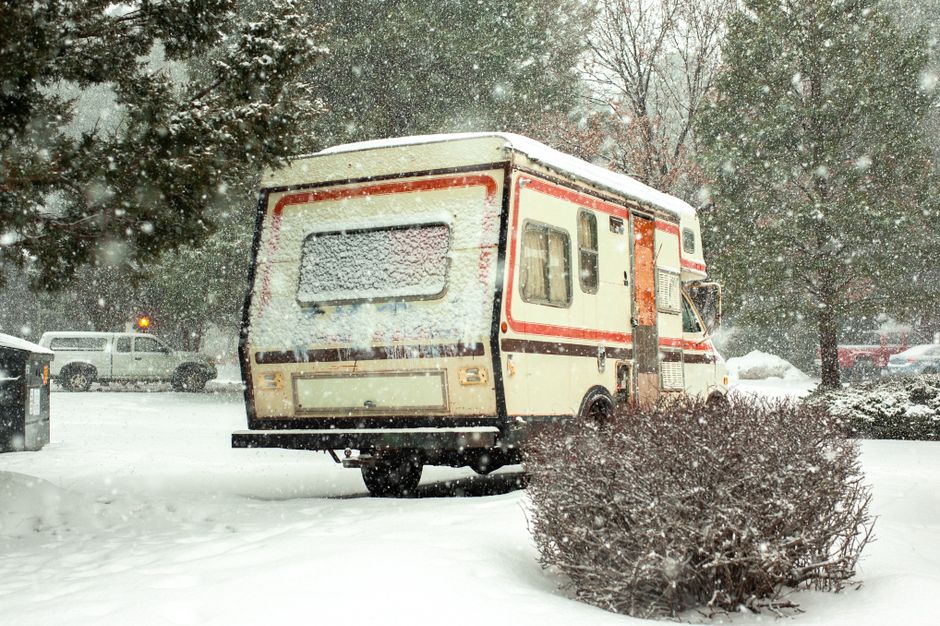
To Winterize or Not?
If you live in a region where temperatures drop below freezing, you have no choice: you must winterize. Even an 'early freeze' warning is enough to crack water lines and destroy your RV's plumbing system if it remains filled with water.
Many first-timers ask how much pink antifreeze is needed. Generally, plan on having 2 to 3 gallons of RV-specific non-toxic antifreeze on hand. Always bypass your water heater first so you don't waste gallons filling that tank with antifreeze.
Protecting Your RV During Storage
Tire Care and Maintenance
Your tires are susceptible to dry rot and flat spots during long-term storage. Avoid parking on bare grass, which traps moisture against the rubber. Use leveling blocks or boards, and consider covering tires to protect them from UV damage.
Interior Storage Hacks
If you are looking to create more space, many owners remove under-bed storage drawers to access the void space beneath the mattress. Just ensure you aren't removing structural components or interfering with water lines that often run through those lower cavities. Always keep the interior ventilated with a dehumidifier to prevent mold buildup.
Choosing the Right Facility
Not all storage is created equal. While covered storage is the gold standard for protecting your roof seals from sun and snow, make sure your chosen facility allows for maintenance. Proper winterization is best performed on-site if your home driveway isn't an option. Looking for a place to stay while you prep your rig? Consider checking out Hidden Valley RV Resort, which offers great amenities for those transition months.
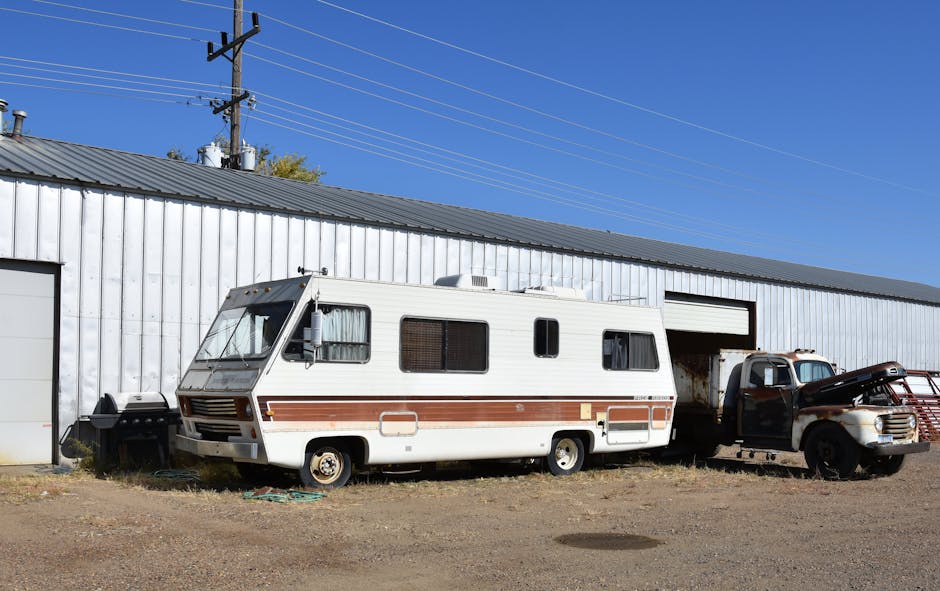
When evaluating a storage facility, check the flooring. You want a level, hard surface. Avoid places where people misuse equipment; improper use of tools like Anderson Levelers in a storage lot is a sign of poor management and potential for accidental damage to your rig.