




To Winterize or Not: Is It Necessary?
If you live in a climate where temperatures drop below freezing, the answer is a resounding yes. Water expands when it freezes, which can burst your PEX plumbing, crack your water pump, and ruin your water heater in a single night.
Even if you have an early freeze warning tonight, you must act fast. At a minimum, blow out your lines with compressed air and bypass your water heater. For full protection, pump RV-specific antifreeze (the pink stuff) through every faucet, including the shower and outdoor kitchen.
The Pink Stuff: How Much Do You Need?
A common question for first-timers is how much antifreeze to buy. For most standard travel trailers or Class C motorhomes, two to three gallons is usually sufficient. However, it is always better to have an extra gallon on hand rather than running out halfway through the process.
Remember to ensure your water heater is in 'bypass' mode before you start the pump. If you fail to bypass, you will waste six to ten gallons of antifreeze just filling the tank, which is both unnecessary and messy.
Tires and Storage Environments
Your tires take a beating during storage. When sitting on cold concrete or dirt for months, moisture and UV exposure can accelerate rot and flat spots. If possible, park on level blocks or pads to keep tires off the bare ground, and always use tire covers to block out sunlight.
Covered vs. Open Storage
When designing your own RV storage building or selecting a facility, covered storage is the gold standard. It protects the roof seals from snow load and prevents the rubber roof membrane from degrading due to sun exposure. If you are keeping your rig at a park, look for those that offer covered options to extend the life of your seals and siding.
Planning for Off-Season Occupancy
Many RVers choose to migrate to warmer climates during the holiday season. If you are staying in a park, remember that occupancy rates fluctuate heavily during the holidays. Always call ahead to ensure that your chosen site has winter-ready water connections if you plan to stay connected, as many northern parks turn off water at the pedestal to prevent freezing.
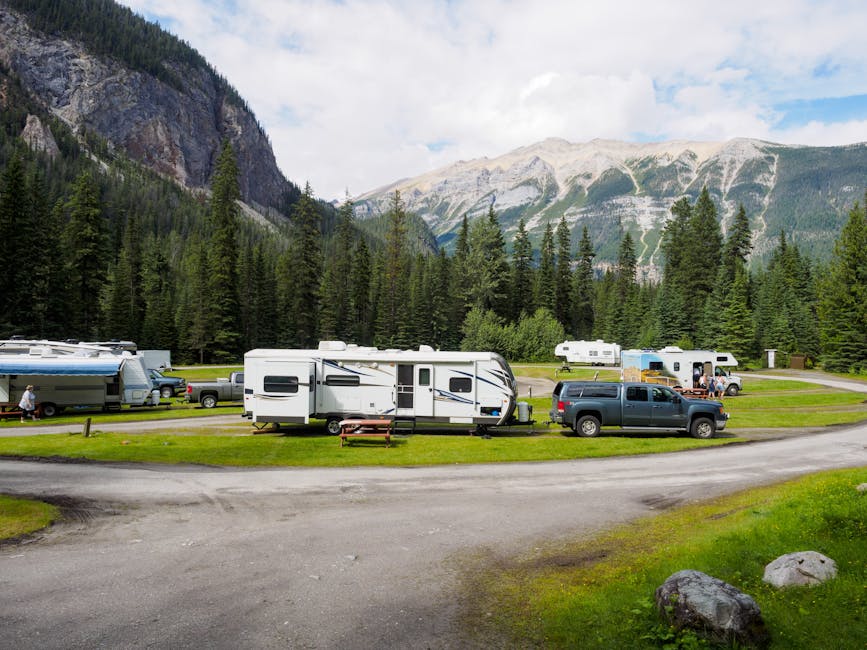
For those looking to secure a spot for next year, early planning is key. Whether you are prepping for a long-term stay or just finding a safe home for your rig, take these steps now to avoid costly repairs once the thaw arrives.