




First-Time Winterizing and The 'Pink Stuff'
Winterizing a modern motorhome like a 2023 Bay Star 3408 for the first time can feel intimidating, but the process boils down to removing every drop of water from your plumbing lines. Residual water trapped in low points, pump strainers, or ice maker lines will expand and crack expensive fittings when temperatures plummet. Whether you are dealing with a sudden early freeze warning tonight or settling in for months of motorhome storage, tackling this proactively saves you thousands in repair bills.
First-timers often ask: how much pink stuff do I need? For a standard Class A motorhome with multiple bathrooms and appliances like a residential fridge ice maker or washer-dryer prep, you should always keep three to four gallons of RV antifreeze on hand. Blow out your lines with compressed air first using a blowout plug, bypass your water heater, and then pump the RV antifreeze through every faucet, shower, and toilet until you see a solid pink stream.
Is Complete Winterization Always Necessary?
A common question among RV owners living in milder climates is whether complete winterization is actually necessary if freezing temperatures only happen on rare occasions. The short answer is yes, if temperatures drop below freezing for more than a few consecutive hours, vulnerable exterior shower boxes and underbelly lines can freeze. If you are facing an early freeze warning tonight and haven't fully winterized, at minimum open your low-point drains, turn off the water heater, and run your furnace to keep the underbelly warm.
For those leaning toward motorhome storage without full antifreeze winterization, you must monitor weather forecasts religiously. A single hard overnight freeze can split water lines that sit exposed to cold drafts. When in doubt, pumping antifreeze takes less than an hour and provides absolute peace of mind.
Tire Care and Storage Options: Covered vs. Outdoor
Your tires take a massive beating during long-term storage, especially when parked on concrete or bare earth without movement. UV rays degrade sidewalls rapidly, and the weight of a heavy motorhome sitting in one spot can cause flat-spotting. Always inflate your tires to their maximum cold pressure rating before parking, and use tire covers to shield rubber from destructive sunlight. Placing rubber mats or wooden boards beneath each tire also helps prevent moisture transfer from the ground.
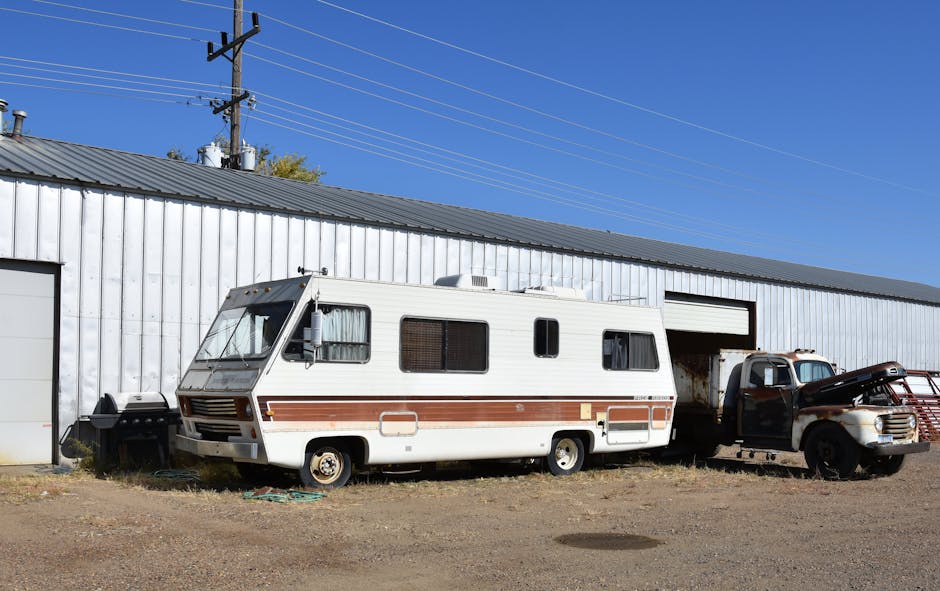
When choosing where to park, covered storage is the gold standard for protecting your investment from snow loads, ice dams, hail, and relentless sun damage. If you must use open outdoor storage, ensure your roof is clear of debris, inspect your seals and caulking thoroughly, and consider investing in a breathable, high-quality RV cover designed specifically for your model's dimensions.