



Winterizing Your Plumbing
First-time winterizers often ask, 'how much pink stuff do I need?' While the answer depends on your RV's plumbing layout and water heater size, keep two to three gallons of non-toxic RV antifreeze on hand. It is always better to have an extra gallon than to run dry mid-process.
Is Complete Winterizing Necessary?
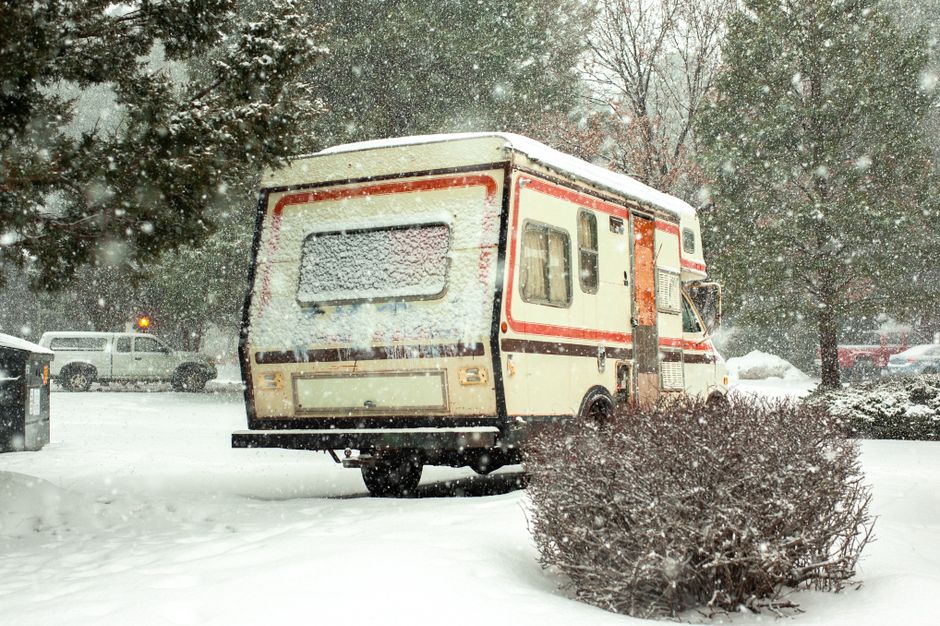
If you live in an area with a hard freeze, the answer is a definitive yes. Failing to clear your lines can lead to burst pipes and thousands of dollars in water damage. If an early freeze warning hits, prioritize draining your low-point drains and bypassing your water heater immediately.
Tire Care and Storage Parking
Your tires take a beating while sitting stationary for months. Avoid parking on dirt or grass, as moisture can accelerate rot. Using raised blocks helps prevent ground contact, but ensure they are placed correctly—do not mistake leveling systems or storage blocks for wheel chocks.
Storage Facility Etiquette
Whether you are using covered storage or an open lot, always be mindful of your neighbors. We've all seen the improper use of leveling gear at storage facilities. Remember, Anderson Levelers are designed for specific weight distribution; using them incorrectly can damage your axles while the rig is parked for storage.
Interior Maintenance and Organization
Before locking up for the winter, check your storage compartments. Some owners choose to remove drawers from under-bed storage to improve airflow or access mechanical components, which is a great idea to prevent mold buildup in dark, enclosed spaces.
Checklist for Success
- Remove all food items to prevent pest infestations.
- Place moisture-absorbing desiccant bags throughout the interior.
- Disconnect the house batteries and keep them on a trickle charger.
- Inspect seals and roof caulking one last time before the first snowfall.