



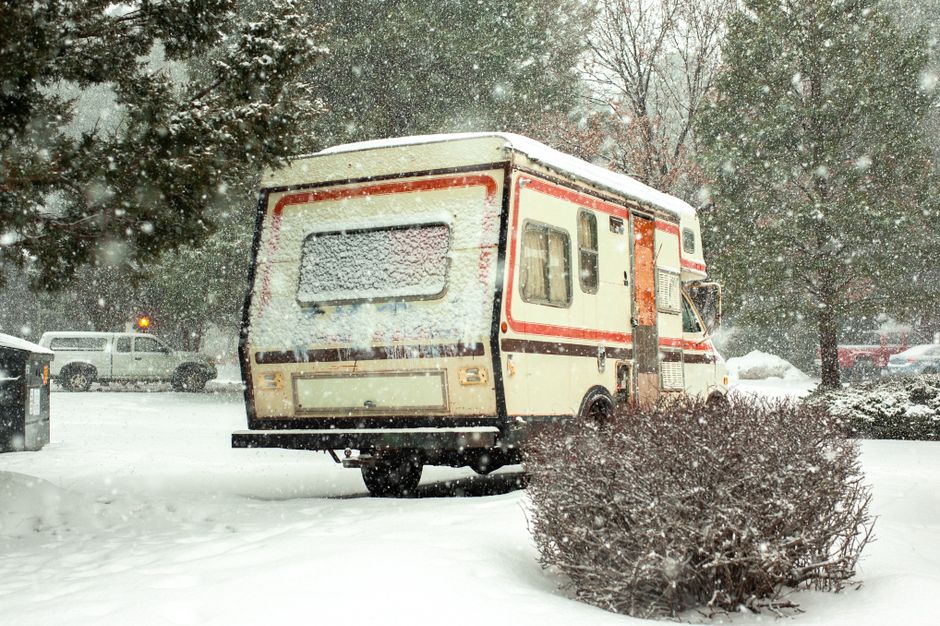
Winterizing Your Plumbing: The Pink Stuff
The biggest threat to any RV in freezing temperatures is burst water lines. For most regions, a full winterization using non-toxic RV antifreeze is non-negotiable.
To determine how much pink antifreeze you need, calculate the size of your system. Generally, two to three gallons are sufficient for most travel trailers to fully flush the lines, water heater, and P-trap drains. If you are questioning if winterization is necessary, remember that the cost of antifreeze is pennies compared to repairing a cracked tank or plumbing manifold.
Tire Care and Storage Foundations
Storing your RV on raised blocks can relieve pressure from the suspension, but avoid stacking items haphazardly. We have all seen the 'storage lot fails'—like using leveling blocks incorrectly—so ensure your rig is stable on a level surface.
Your tires are susceptible to dry rot and flat spots during long-term storage. If possible, keep tires off the ground using jack stands or inflate them to the manufacturer's maximum recommended pressure. Always cover tires to block UV rays, which degrade rubber faster than the cold itself.
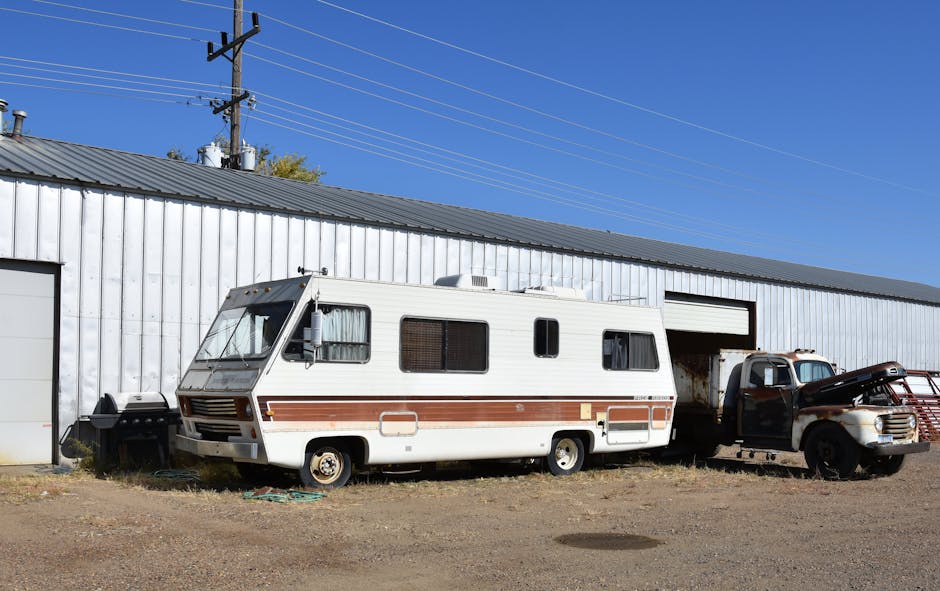
Pro Tips for Interior and Exterior Maintenance
Managing Internal Storage
Many owners wonder about removing drawers from under-bed storage to improve airflow and prevent moisture buildup. Removing drawers can indeed help keep the area ventilated, preventing the 'musty' smell that often greets RVers in the spring.
Covered vs. Uncovered
Whenever possible, opt for covered storage to shield your roof seals from snow load and ice damming. If you must store your RV uncovered, ensure your roof vents are covered with specialized vent covers so you can keep them cracked open for airflow without letting snow inside.