



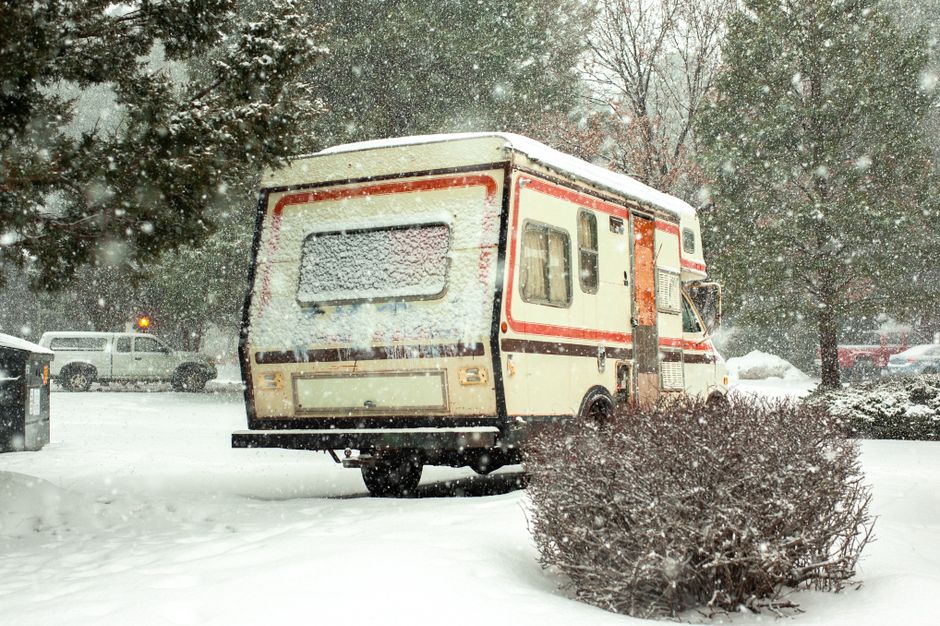
Preparing for the Big Freeze
When an early freeze warning hits, the clock starts ticking. If you are a first-timer wondering how much RV antifreeze you need, a general rule of thumb is 2-3 gallons for most standard travel trailers, but always check your manual for hot water heater bypass specifics. Never rely on just blowing out your lines; adding the pink stuff is the only way to ensure your pipes don't crack when the temperature plummets.
If you aren't ready to pack it in for the year, you may be asking if complete winterizing is necessary. If you reside in a climate where temperatures hover near freezing, you might get away with using an internal heat source, but for long-term storage in freezing climates, full winterization is the only way to avoid catastrophic plumbing repairs in the spring.
Tires, Blocks, and Structural Maintenance
Many owners make the mistake of leaving their tires on concrete throughout the winter, which can lead to dry rot and flat spots. Use leveling blocks or tire covers to protect the rubber from the ground and sun exposure. Speaking of leveling, remember that Anderson Levelers are designed to be used in specific ways; improper placement in a storage facility can compromise the stability of your rig and damage the leveling gear over time.
For those looking to maximize space, some owners consider removing drawers under bed storage to clear out debris or install custom heater units. Just ensure that when you reassemble, you aren't blocking critical air vents or plumbing access points that you might need to inspect during the off-season.

Choosing Your Storage Environment
Whether you choose covered storage or an open lot, environment is everything. Covered storage protects your roof membranes from heavy snow loads and harmful UV rays, which is vital for long-term rig health. If you are currently looking for a place to park your motorhome, remember that a secure, well-drained lot is worth the extra investment.
As you prepare your rig for the coming months, keep these priorities in mind:
- Always bypass your water heater before pumping antifreeze.
- Check your battery state of charge regularly or use a trickle charger.
- Keep your interior vents slightly cracked for moisture control to prevent mold.
- Verify that your leveling blocks are placed according to manufacturer specs.