




Plumbing Protection: Beyond the Pink Stuff
The most common question among new RVers is how much pink RV antifreeze is truly needed. Generally, plan for 2 to 3 gallons for an average-sized travel trailer, though it depends on your plumbing layout and if you have a water heater bypass installed.
A common concern is whether the antifreeze is safe after sitting in the lines for extended periods. If you winterized correctly, the antifreeze remains effective for long-term storage, preventing your pipes from bursting when temperatures drop below freezing.
Tires and Leveling: Storage Best Practices
Tire Care
Your tires are under constant stress while sitting stationary. Protect them from UV damage with covers, and ensure they are inflated to the manufacturer's recommended psi to prevent flat spots. Avoid parking on bare ground; use blocks or pads to create a barrier against moisture.
Leveling Wisdom
If you are using leveling blocks like Anderson Levelers, ensure they are set on a stable, flat surface. Improper use can lead to equipment failure or, worse, damage to the leveling system itself. Always double-check your stabilization setup before you head home for the season.
To Cover or Not to Cover?
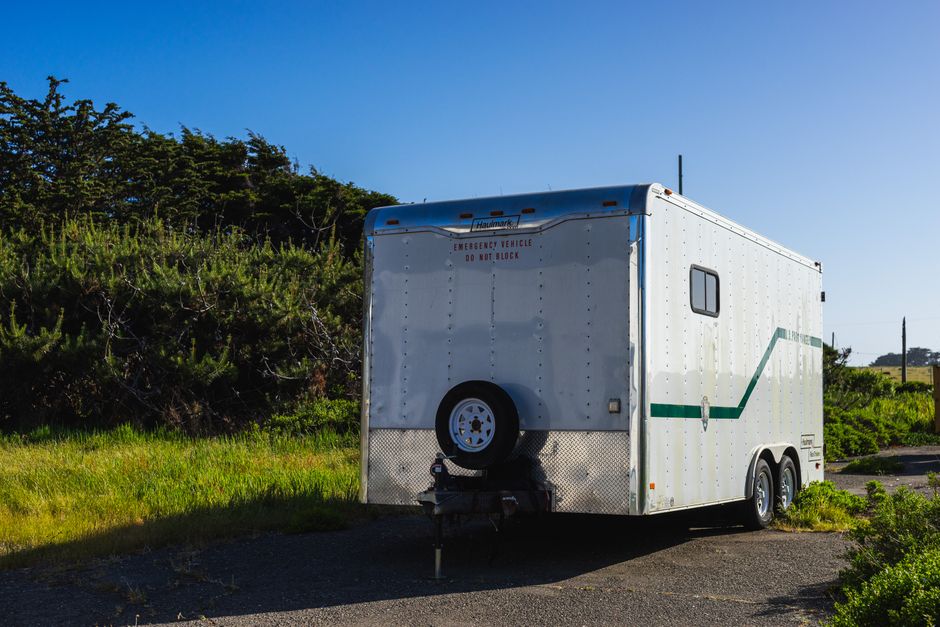
Deciding between covered storage and open-air parking is a budget vs. protection trade-off. Covered storage protects your roof seals from extreme UV rays and prevents snow accumulation, which significantly reduces the risk of leaks.
If you must use outdoor storage, consider custom-fitted covers that allow for breathability to prevent mold and mildew buildup inside the cabin. Regardless of your choice, perform a thorough inspection of all roof sealant before closing up for the winter.