



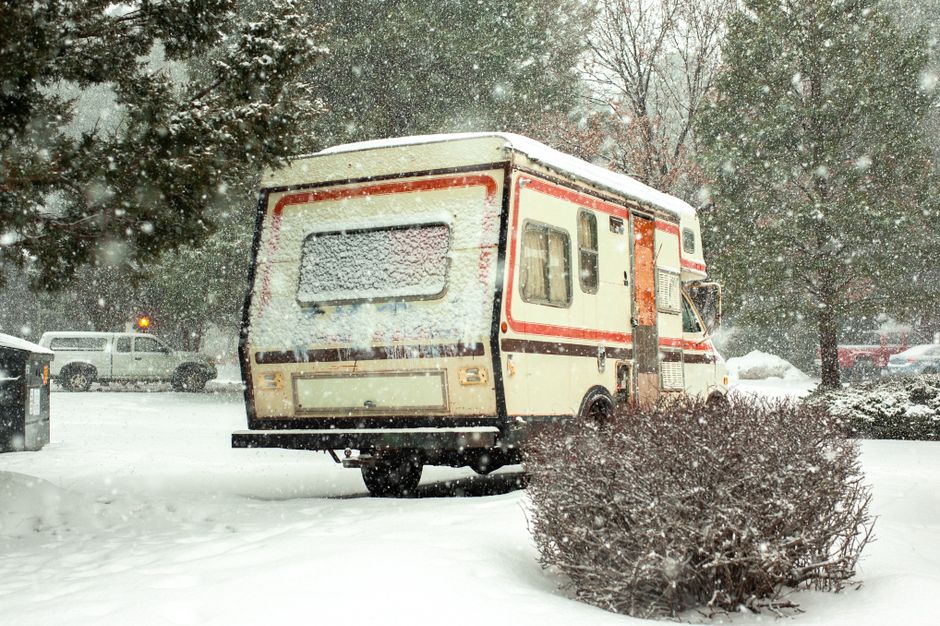
To Winterize or Not to Winterize?
A common debate among RVers is whether complete winterization is truly necessary. If you live in an area prone to early freeze warnings, the answer is an emphatic yes. Failing to remove water from your lines can lead to burst pipes and thousands of dollars in water damage.
If your RV has been sitting for over 10 months with antifreeze in the lines, it is time for a flush. Over time, the effectiveness of the solution can degrade, and potential sediment buildup can occur. Always start your season with fresh, non-toxic plumbing lines.
Tire Protection and Storage Tips
Your tires are the most vulnerable component of your RV while it sits in storage. UV rays and fluctuating ground temperatures can lead to dry rot and tire deformation.
- Use tire covers to shield rubber from direct UV exposure.
- Maintain proper tire pressure to avoid flat spots.
- Consider using jack stands if the vehicle will be stationary for an extended period to take the weight off the sidewalls.

For those in the Cincinnati/NKY area looking for seasonal spots, check out Barnes Park Campground. Proper site selection is vital for drainage and accessibility during winter months.
Managing Your Fluids and Hardware
Many first-timers ask, "How much pink stuff do I need?" A standard two-gallon jug is usually sufficient for most travel trailers, but always keep a spare on hand just in case. Don't forget to bypass your water heater before pumping the solution through your system.
Storing your water heater empty is standard, but check your anode rod annually to prevent corrosion. Whether you choose covered storage or an open pad, ensuring your rig is level and properly ventilated will save you massive headaches when spring arrives.