



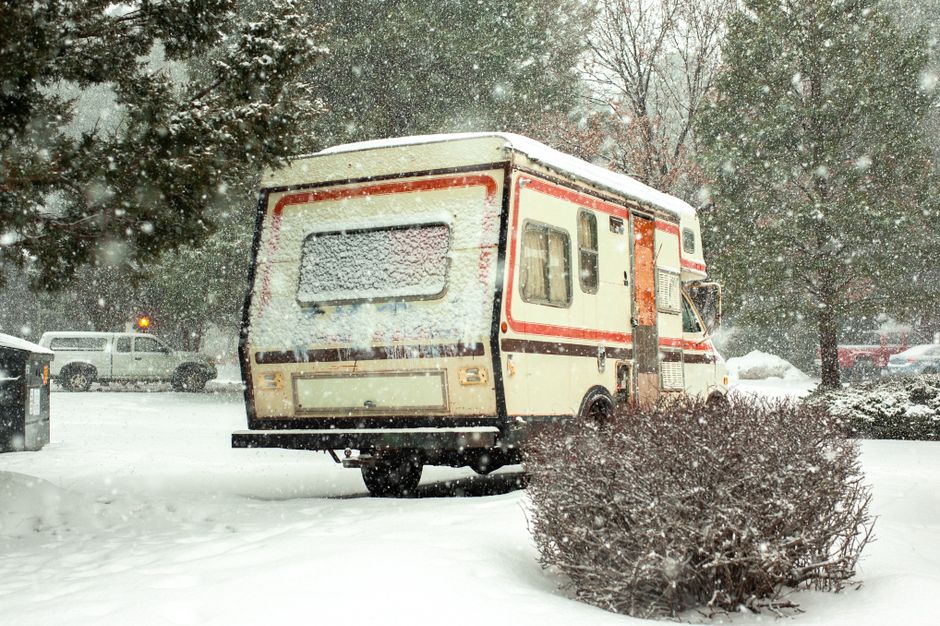
Winterization: Is it Always Necessary?
If you live in regions prone to early freezes, like Maine, winterizing is not optional—it is a requirement. Failing to clear your water lines can lead to burst pipes, which are costly and difficult to repair. If you are questioning whether you can skip the process, consider the potential for thousands of dollars in water damage.
For those who prefer a managed environment, looking into established facilities is a smart move. Locations like Camping Desmeule Chambord in Le Domaine-du-Roy provide a great base for those navigating the transition between seasons.

Step-by-Step Winter Maintenance
First-timers often ask: how much pink stuff do I need? A standard 30-foot trailer typically requires about 2 to 3 gallons of RV antifreeze. Always bypass your water heater before pumping the solution into your pipes to avoid wasting it.
- Drain all fresh, gray, and black water tanks completely.
- Open all low-point drains and taps to purge residual moisture.
- Use a blowout plug to clear lines with compressed air before adding antifreeze.
- Don't forget to pour a small amount of antifreeze into all P-traps, including sinks and showers.

Storage Best Practices
When parking for the long haul, tire care is critical. Avoid parking on bare dirt or grass, as moisture can degrade rubber compounds. If you use leveling blocks, ensure they are placed correctly—never park on blocks that cause stress points on your tires.
Covered storage is the gold standard for protecting your roof seals from UV damage and snow weight. If you are storing outdoors, ensure your covers are breathable to prevent mold growth inside the cabin during those long winter months.