



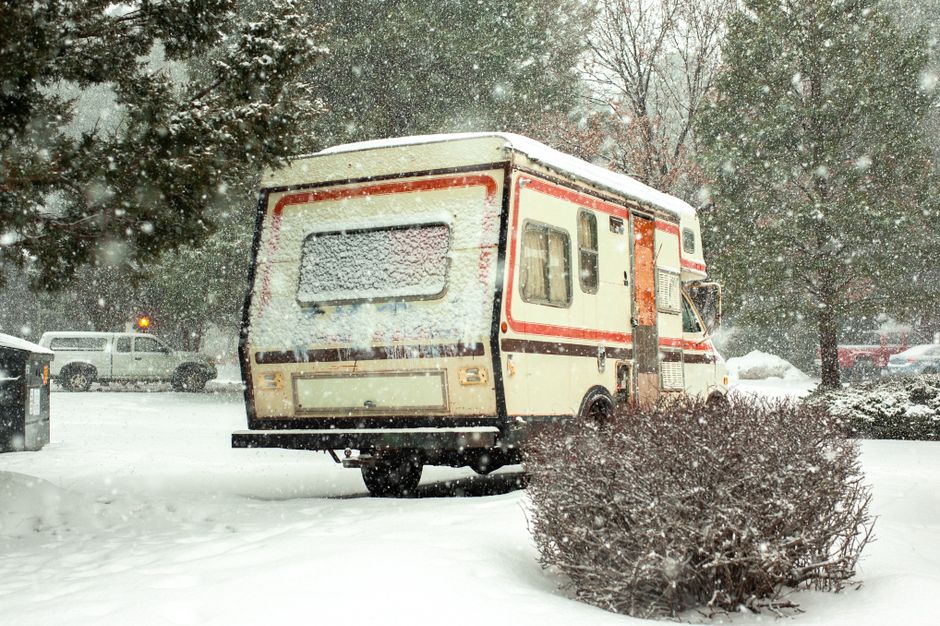
To Winterize or Not?
If you live in a climate where temperatures drop below freezing, the answer is a resounding yes. Water left in your plumbing lines will expand when it freezes, leading to cracked pipes and expensive repairs by spring. Even with early freeze warnings, a little preparation goes a long way in preserving your RV’s longevity.
For those in colder climates like the northern US or Canada, finding reliable storage is key. Facilities like Camping Desmeule Chambord provide excellent infrastructure for those looking to keep their assets safe during the off-season.

Mechanical and Tire Maintenance
Protecting Your Tires
Tires are prone to dry rot and flat spots when sitting stationary for months. Avoid parking directly on dirt or grass, as moisture can penetrate the rubber. Instead, use leveling blocks to keep the tires elevated and off the ground.
Leveling Etiquette
A common site at storage facilities is the misuse of leveling gear. Always ensure your leveling blocks are used on flat, stable surfaces. If you see fellow campers using Anderson Levelers, remember they are designed for gradual height adjustments and shouldn't be forced.

Winterizing Your Plumbing
The biggest question for beginners is: how much pink stuff do I need? A standard travel trailer usually requires 2 to 3 gallons of RV antifreeze. Start by bypassing your water heater and draining all lines, then pump the antifreeze through every faucet, including the outdoor shower.
If you are looking for long-term storage in regions that experience heavy snow, consider covered storage options. Protection from UV rays and heavy snowfall prevents roof damage and keeps seals from cracking prematurely.