



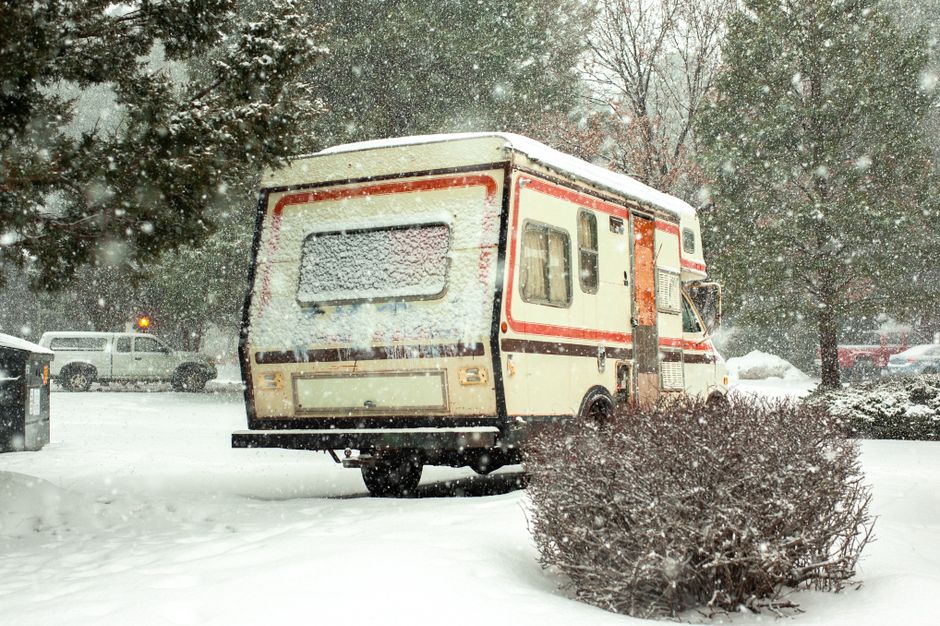
To Winterize or Not?
If you are heading into a freeze, there is no debate: you must winterize. Even in milder climates, a single night of unexpected freezing temperatures can crack plumbing lines and destroy your water pump. It is always better to spend an hour prepping than to deal with the high costs of spring plumbing repairs.
For those in colder regions like Maine or Quebec, we recommend exploring reliable facilities like Camping Desmeule Chambord. Having a secure site is the first step toward peace of mind.

Essential Winterization Checklist
How much pink stuff do you need? For most mid-sized trailers, two to three gallons of RV-specific non-toxic antifreeze is sufficient to displace water in the lines. Always bypass your water heater first to avoid wasting gallons of product.
- Drain the low-point drains and the fresh water tank completely.
- Engage the water heater bypass valve.
- Pump the antifreeze through every faucet, including the outdoor shower and toilet, until you see the pink color.
- Pour a small amount down every P-trap to protect the seals.
Long-Term Storage Tips
If your RV is sitting for months, your tires are a major concern. Avoid parking on bare ground, as moisture can accelerate dry rot. If you use leveling blocks, ensure they are placed correctly; using Anderson Levelers improperly as a permanent base is a common site in storage lots that can damage your axles over time.
If you have under-bed storage, many owners ask if they should remove drawers. It is usually unnecessary unless you are accessing the furnace or batteries for maintenance. Focus instead on critter-proofing by sealing gaps with steel wool.
