



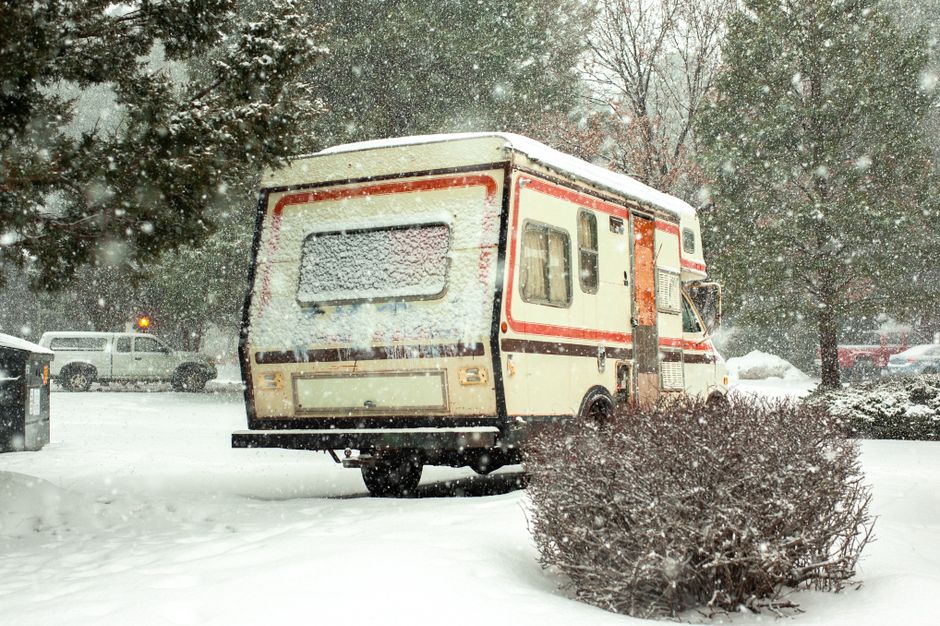
Preparing Your RV for the Freeze
Winterizing is the single most important maintenance task for any RVer living in northern climates. When temperatures drop, water left in your lines will freeze, expand, and crack your plumbing system, leading to costly spring repairs.
If you are wondering how much antifreeze you need, the average 25-30 foot travel trailer typically requires two to three gallons of RV-specific propylene glycol. Never use automotive antifreeze, as it is toxic and will damage your pipes.
Storage Solutions: Covered vs. Outdoor
Choosing where to park your rig is just as important as the winterization process itself. While many owners look for covered storage to protect against heavy snow loads and UV damage, outdoor storage is common if you have a proper cover or a high-quality roof seal.
Tips for Long-Term Storage
- Use raised blocks to keep tires off cold, damp ground, but ensure the weight is distributed properly.
- Never store with the parking brake engaged for months at a time to prevent seized components.
- Ensure all drawers and cabinets are cleared of food to avoid attracting rodents.
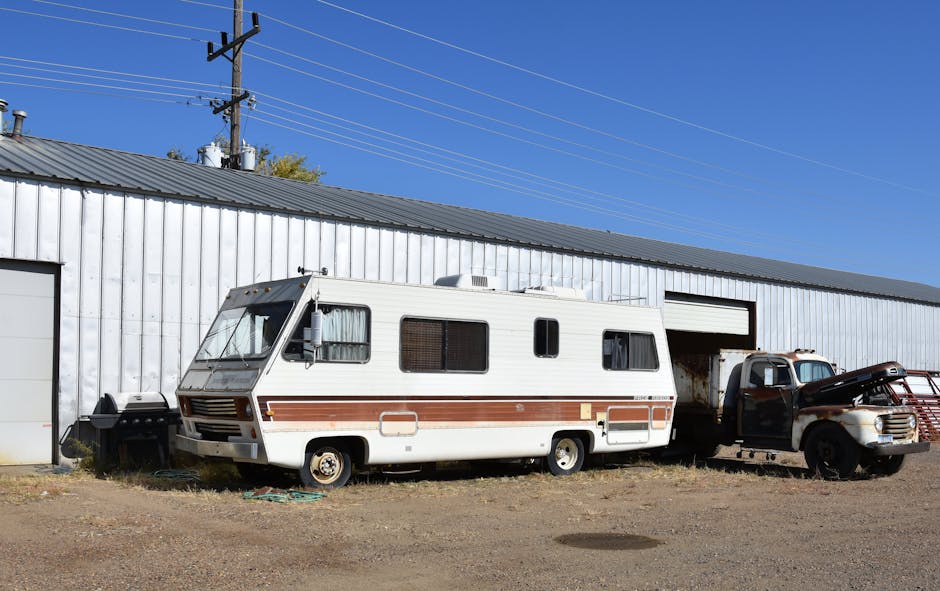
Tire Care and Maintenance
Tires are prone to "flat spotting" and dry rot during the winter. To combat this, inflate them to the manufacturer's maximum recommended cold pressure before storage. If you choose to park on blocks, ensure they are level and stable to avoid stress on the chassis or axle mounting points.
Avoid common mistakes like using leveling equipment improperly. We have seen far too many DIYers misusing gear like Anderson Levelers in storage facilities—always follow the manufacturer’s instructions to ensure your rig remains stable throughout the season.
Finding Year-Round Resorts
For those who prefer to keep their wheels turning, some regions are expanding their offerings to accommodate winter travelers. Facilities like the [Northern Michigan RV park](/park/northern-michigan-rv-resort) have been upgrading their infrastructure, including new clubhouses, specifically to cater to those who enjoy winter scenery without the hassle of full winterization.
