



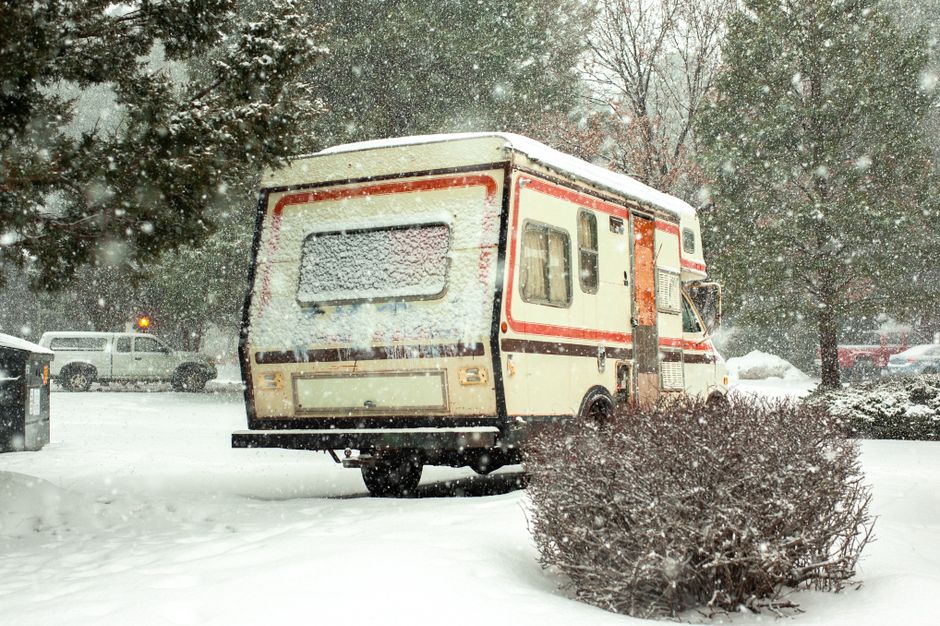
To Winterize or Not?
The debate is common among new RVers: is full winterization really necessary? If you live in an area where temperatures drop below freezing, the answer is a hard yes. Even a single night of extreme cold can cause water lines to burst, leading to thousands of dollars in water damage.
If you are caught off guard by an early freeze warning, drain your low-point drains and water heater immediately. While this isn't a full winterization, it is the best emergency stop-gap to prevent catastrophic pipe failure.
Winterizing Steps: How Much Pink Stuff?
For most travel trailers and motorhomes, you will need 2 to 3 gallons of RV-specific antifreeze. Always use the pink, non-toxic propylene glycol blend designed for plumbing—never use automotive antifreeze.
- Drain the fresh water, gray, and black tanks completely.
- Bypass the water heater to avoid filling its large tank with expensive antifreeze.
- Use a water pump converter kit or an external hand pump to pull the antifreeze through your lines.
- Open each faucet one by one—hot and cold—until you see the pink fluid flowing steadily.
- Pour a small amount down each drain to protect the P-traps.
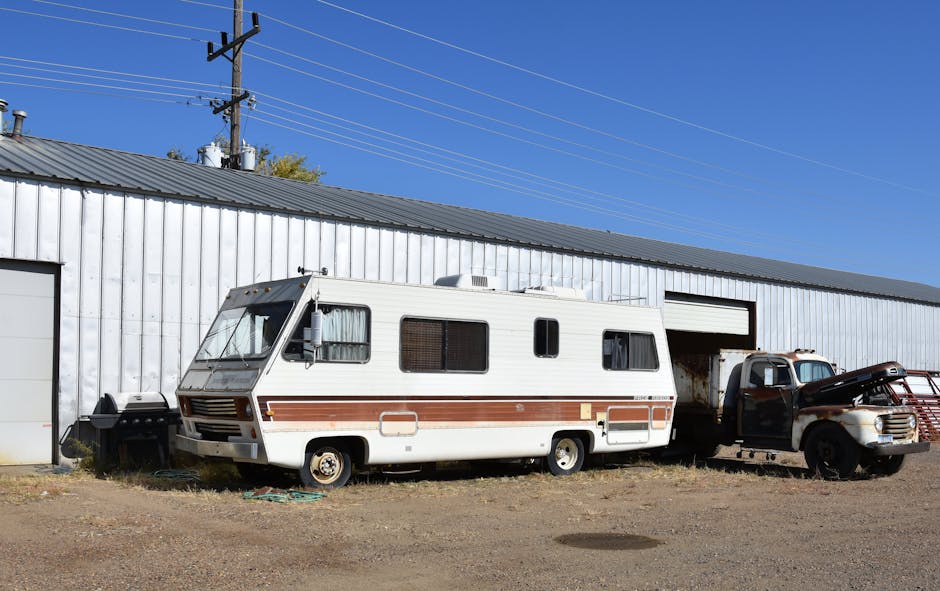
Tires and Long-Term Storage
Your tires are under immense pressure during storage. Prolonged sitting causes flat spots, and UV exposure accelerates dry rot. To extend their lifespan, clean them thoroughly and consider using tire covers if storing your rig outdoors.
If possible, inflate your tires to the maximum recommended pressure listed on the sidewall before parking for the season. If you are storing your RV at a facility like [Mountain View RV Park](/park/mountain-view-rv-park) or [Pine Valley Resort](/park/pine-valley-resort), ensure your spot is level to prevent unnecessary stress on the suspension and tires.