




Essential Winterizing Steps
Winterizing is not just a suggestion; it is a necessity for anyone living in a climate that drops below freezing. If you are asking if complete winterizing is necessary, the answer is a resounding yes. Even a single night of extreme cold can cause burst water lines, leading to expensive repairs come spring.
For first-timers wondering how much antifreeze to use, a standard rule of thumb is to keep two to three gallons of RV-specific antifreeze on hand. Always bypass your water heater before pumping the solution through your lines to avoid wasting product and potential damage to the tank.
Managing Storage and Tires
Tire Protection
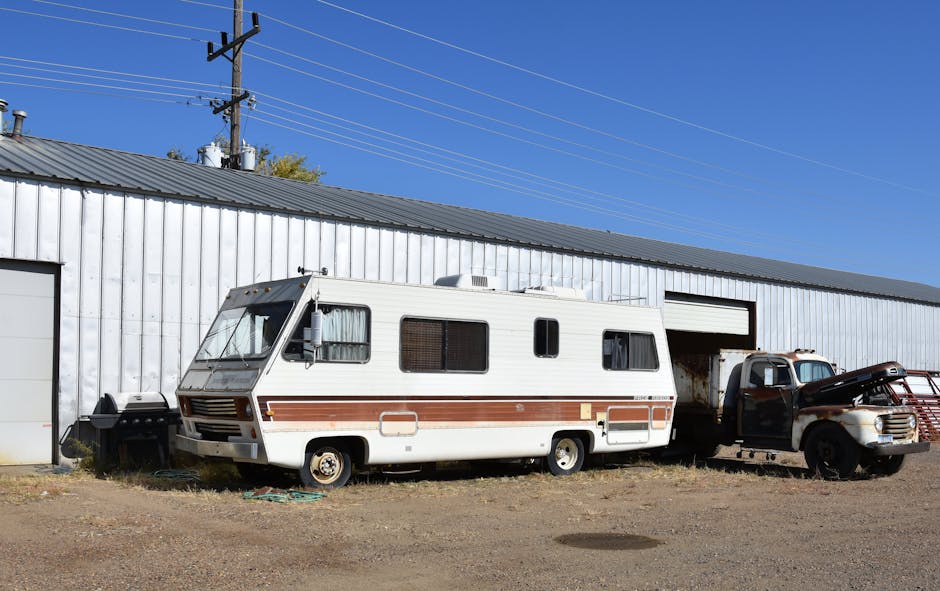
Your tires take a beating while sitting idle. When storing your motorhome for months, avoid parking on grass or dirt, which can trap moisture and accelerate rot. Use tire covers to protect the rubber from UV damage and consider using leveling blocks to keep the weight off the sidewalls.
Heating and Interior Care
Many owners ask if heating under the trailer is a good idea. While it can provide some protection, it carries a fire risk if not managed correctly. Instead, focus on sealing your RV to keep pests out and ensuring the interior is completely dry to prevent mold growth. Removing drawers under bed storage can help improve airflow, but ensure everything is cleaned thoroughly first.
Choosing the Right Storage Facility
Whether you choose covered storage or a dedicated RV building, location matters. If you are looking for long-term options, ensure the facility has proper drainage and security. Many owners are now rethinking their storage strategy, looking for climate-controlled indoor spaces that offer year-round protection from harsh weather cycles.
If you are not ready to park the rig for good, look for winter-friendly campgrounds that offer hookups and heated utility bays. Staying at a managed site can make early freeze warnings much easier to handle, as you have access to consistent power for interior heat.