



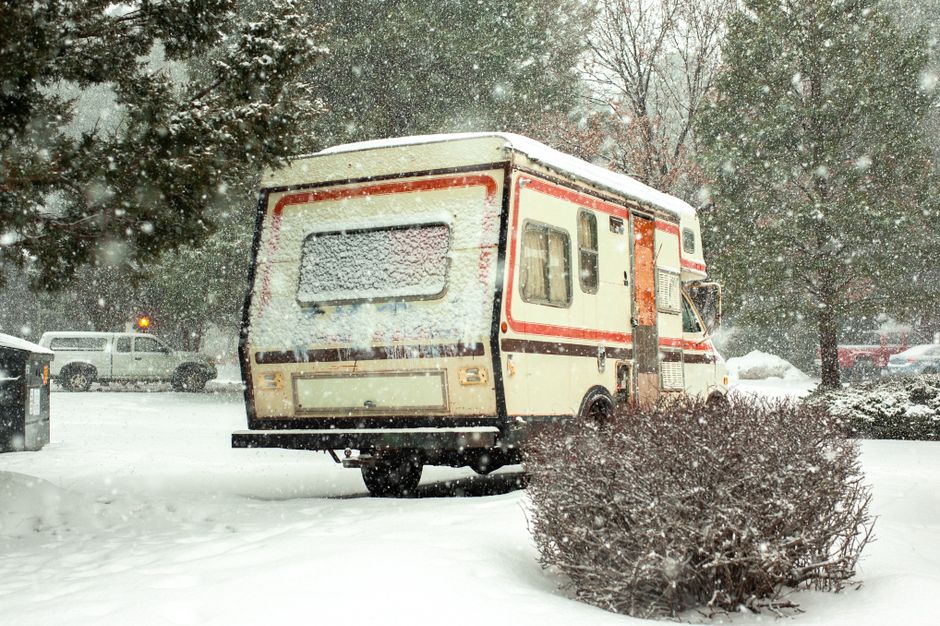
To Winterize or Not: The Essential Debate
Many first-time owners ask if complete winterizing is truly necessary. The answer depends on your climate, but if there is any risk of sub-freezing temperatures, the answer is a resounding yes.
Neglecting to flush your lines with RV-grade antifreeze or failing to blow out your water system can lead to burst pipes and thousands of dollars in water damage. If you are facing an early freeze warning tonight, prioritize draining your low-point drains and disconnecting your city water hookups immediately.
Protecting Your RV Tires and Exterior
Storing your rig for months takes a toll on rubber. Tires can develop flat spots or dry rot if left under-inflated and exposed to harsh UV rays.
To prevent this, park on raised blocks to keep tires off the cold, damp ground, which helps prevent moisture seepage. If you are utilizing covered storage, you are already ahead of the game; otherwise, use high-quality tire covers to shield the rubber from sunlight.
Choosing the Right Storage Solution
Rethinking where you park for the winter is a smart move. While many owners default to their driveway, covered storage or dedicated RV storage buildings offer better protection against heavy snow loads and ice buildup.
If you prefer to keep traveling, look into year-round campgrounds for the winter months. Staying in warmer climates, such as [Desert Palms RV Resort](/park/desert-palms) or [Mountain View Escape](/park/mountain-view-escape), allows you to skip the heavy winterizing process entirely.
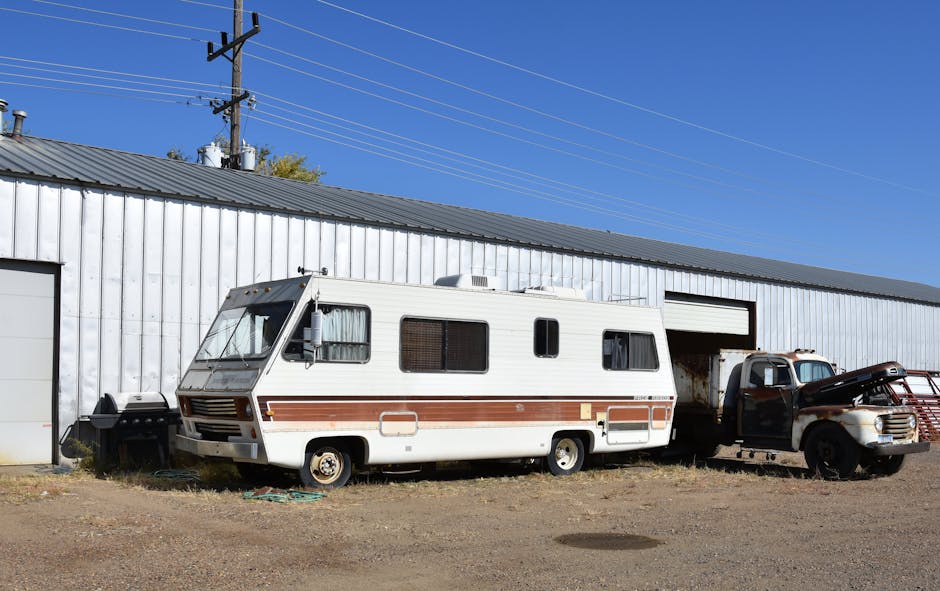
Common Storage Questions
- Heating under the trailer: Generally not recommended. It can create a fire hazard and rarely provides enough insulation to justify the energy cost.
- Pink stuff: On average, a standard RV requires 2-3 gallons of RV antifreeze for a thorough winterization of the water system.
- Motorhome storage: Always keep your house batteries topped off or disconnected to prevent them from discharging completely and freezing.