



To Winterize or Not: The Reality
Many first-time owners ask if complete winterization is truly necessary. If you live in a climate that experiences freezing temperatures, the answer is a definitive yes. Failing to remove water from your lines can lead to burst pipes, expensive pump damage, and cracked fixtures.
Regarding the common question of how much 'pink stuff' you need: for most travel trailers, two to three gallons of RV-specific non-toxic antifreeze is sufficient to flush the entire system. Always bypass your water heater first to avoid wasting gallons of fluid filling an unnecessary tank.
Storage Best Practices
Parking and Tires
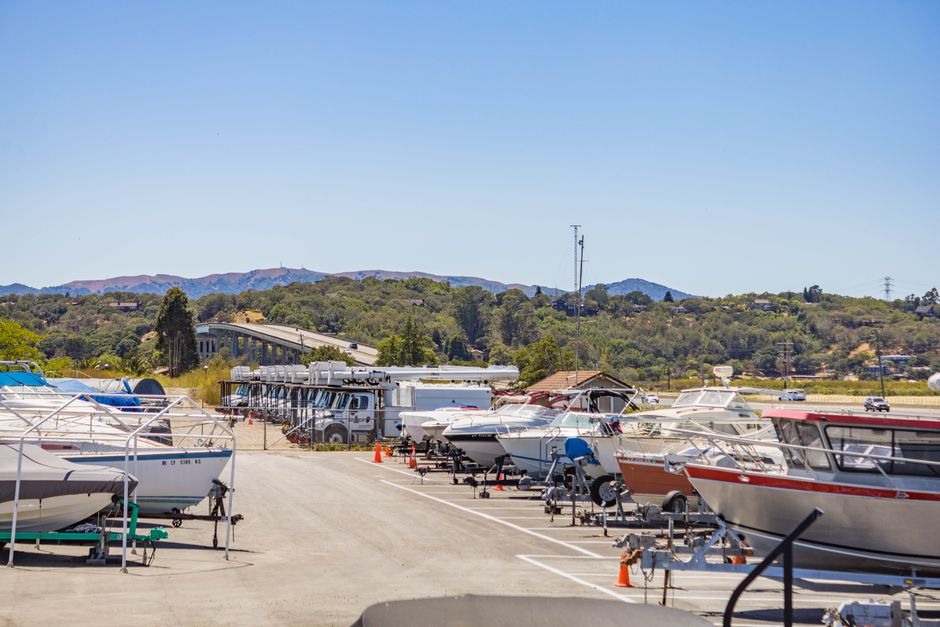
Avoid parking directly on grass or dirt, which traps moisture against your chassis. Using raised blocks or leveled pads helps prevent tire rot and structural moisture buildup. Speaking of tires, keep them inflated to the recommended pressure and consider using tire covers to block UV rays if your RV is stored outdoors.
Heating and Humidity
A common debate involves heating under the trailer. While heat helps prevent freezing, it can attract rodents if not managed correctly. Instead of external heating, focus on interior moisture control using dehumidifiers or desiccant bags to prevent mold growth. Removing drawers from under-bed storage can also improve airflow through the unit to prevent stale air pockets.
Planning Your Winter Stay
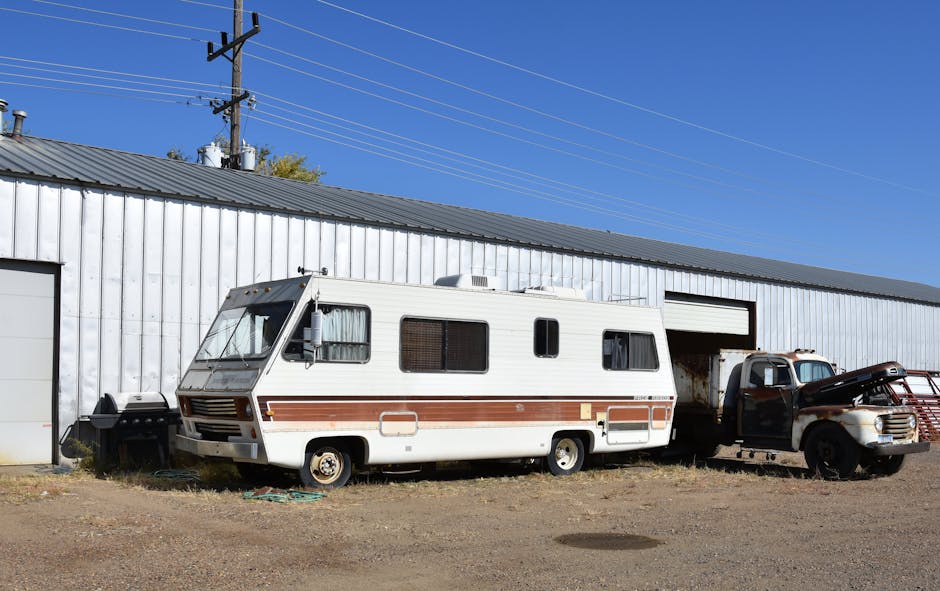
If you aren't ready to tuck the RV away, look for campgrounds that remain open for the winter months. These parks are often equipped with insulated water pedestals and heated service areas designed for year-round living. Always verify their winter policies before booking, as some may shut off water to individual sites during severe weather warnings.