Essential Winterization Steps: Is 'Pink Stuff' Enough?
If you are a first-timer, you have likely heard the term 'pink stuff' thrown around. Non-toxic RV antifreeze is critical for protecting your plumbing system, but don't stop there.
- Drain all water lines, including the low-point drains.
- Bypass your water heater to avoid wasting gallons of antifreeze.
- Pump RV-specific antifreeze through all faucets and the shower until you see pink.
- Don't forget the P-traps in your sinks and shower; pour a cup of antifreeze into each drain.
Storing Your Rig: Covered vs. Open Air
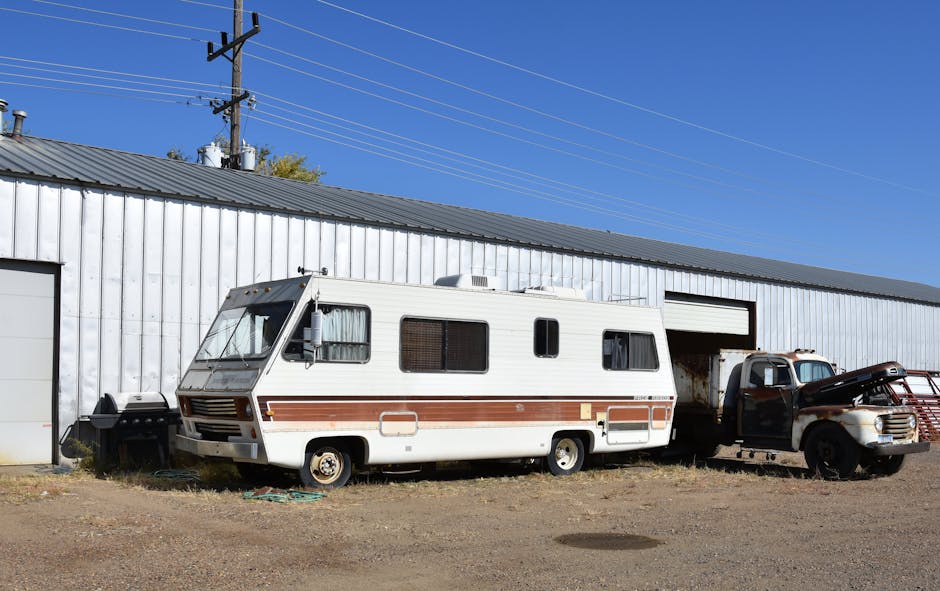
Choosing between motorhome storage options is the biggest decision for off-season planning. While an indoor, climate-controlled building is the gold standard for preventing dry rot and UV damage, high-quality covered storage is often sufficient.
When parking for long-term storage, avoid parking on raw earth. Using raised blocks or gravel pads prevents moisture from wicking into your tires and frame. If you are worried about pest intrusion, check your under-bed storage areas and ensure no food crumbs remain, as these are common nesting sites for winter rodents.
Debunking Winter Heating Myths
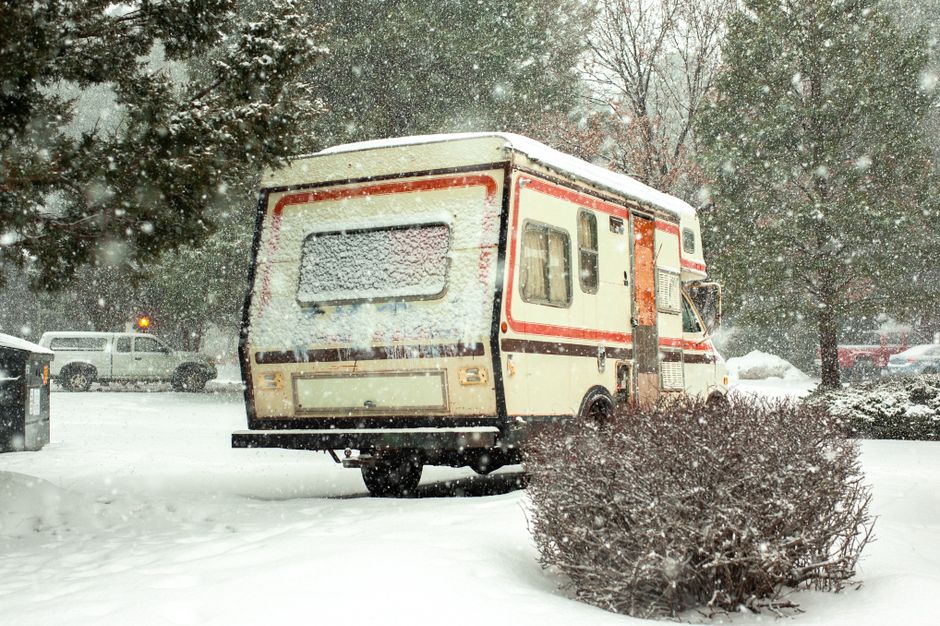
One common question is whether you should put a heater under your trailer. Generally, this is discouraged due to fire risks and the high potential for moisture buildup. Instead of active heating, focus on proper ventilation and sealing gaps to prevent frozen pipes.
Tires are another major concern. If you leave your RV stationary for months, they can develop flat spots. Inflate them to the manufacturer's maximum recommended cold pressure, and if possible, use tire covers to protect the rubber from UV degradation, which causes premature cracking.