



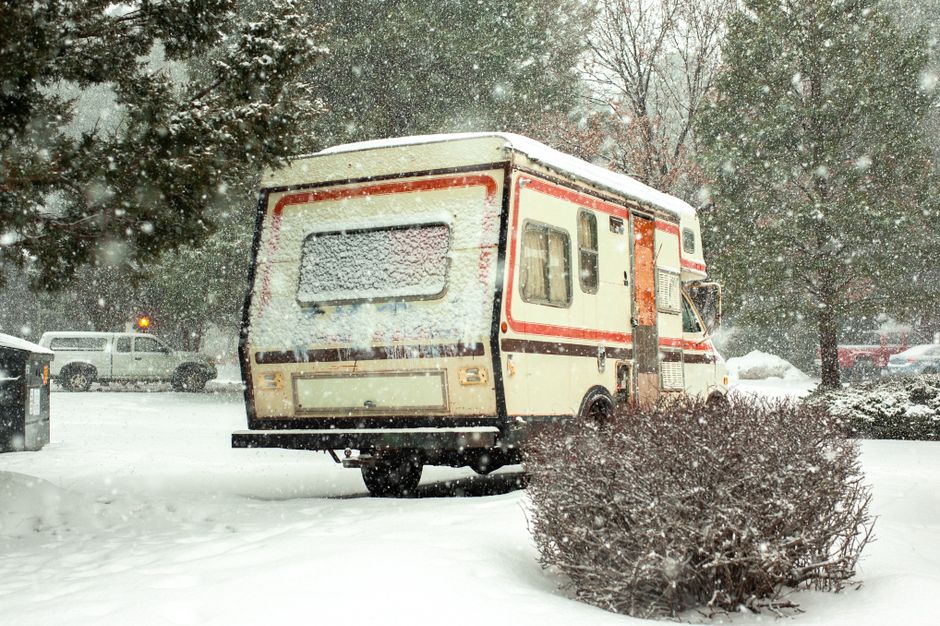
The Great Winterization Debate
Whether you live in a climate with mild winters or face extreme freezing temperatures, winterization is non-negotiable. Many owners wonder if "complete" winterizing is necessary; the short answer is yes, if temperatures drop below freezing, your water system is at risk.
For those asking how much antifreeze you need, a standard rule of thumb is 2-3 gallons of RV-specific pink antifreeze. Always bypass your water heater first to avoid wasting product and potentially damaging the tank. Never use automotive antifreeze, as it is toxic and will ruin your plumbing system.
Storage Strategies for Long-Term Safety
Choosing between covered storage and open lots depends on your budget and climate. Covered storage is the gold standard for protecting your roof seals from UV damage and snow buildup. If you are using a commercial lot, check your fridge and freezer serial numbers—even on new rigs—to ensure they aren't part of recent safety recalls before locking up for the season.
Tire maintenance is often overlooked. If you are storing on concrete, use tire covers to prevent dry rot from sun exposure. If storing on soil or grass, use jack stands or leveling blocks to keep tires off the moisture-wicking ground.
Combatting the Cold: Heating and Modifications
A common question is whether heating under the trailer is a good idea. While some use skirting or heat lamps to keep pipes warm during short-term use, it creates a significant fire hazard and moisture trap if left unattended for months. It is always safer to fully drain your lines and use compressed air or antifreeze.
Avoid complex modifications like removing bed drawers for extra storage unless you have confirmed you aren't disrupting structural supports or electrical wiring. When planning to leave your rig, a thorough cleaning and the removal of all food sources are the best ways to keep pests out during the long winter nap.