



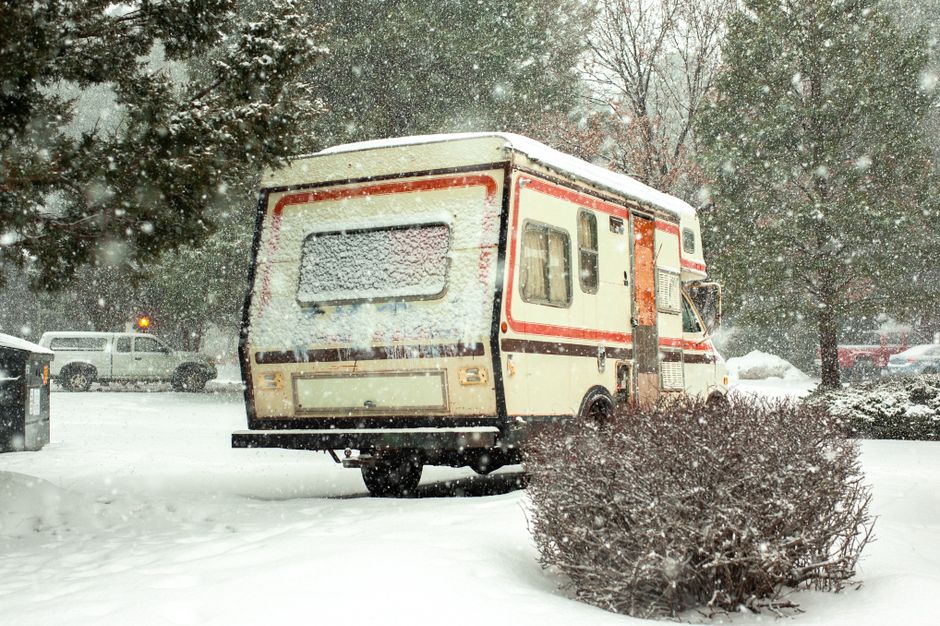
Winterizing Essentials: Is It Necessary?
If you live in an area where temperatures drop below freezing, winterizing is not optional—it is a requirement to prevent burst pipes and costly water damage. Whether you are a first-timer or a veteran, the process is straightforward once you have the right materials.
How much 'pink stuff' do I need?
For most travel trailers and mid-sized motorhomes, you will generally need 2 to 3 gallons of RV-specific non-toxic antifreeze. Always bypass your water heater before pumping the solution through your lines to save on fluid and prevent tank damage.
Storage Solutions: Covered vs. Uncovered
Choosing where to store your rig is the most important decision for long-term health. If you are debating between open parking and a purpose-built RV storage building, consider the climate impacts.
The Case for Covered Storage
Covered storage is the gold standard because it protects your roof seals from UV damage and prevents snow accumulation, which can cause structural stress. Avoid heating under your trailer during storage; while it sounds intuitive, it creates a moisture trap that encourages mold and invites rodents looking for warmth.
Critical Maintenance Before You Park
Don't just park it and forget it. Taking a few proactive steps now will save you a massive headache come spring.
- Tires: Inflate them to the maximum recommended PSI and use tire covers to shield the rubber from sunlight.
- Batteries: Either disconnect the negative terminal or keep the rig plugged into a trickle charger to prevent parasitic drain.
- Seals: Check all roof seams and window caulking for gaps, as freezing water expanding in cracks causes major leaks.
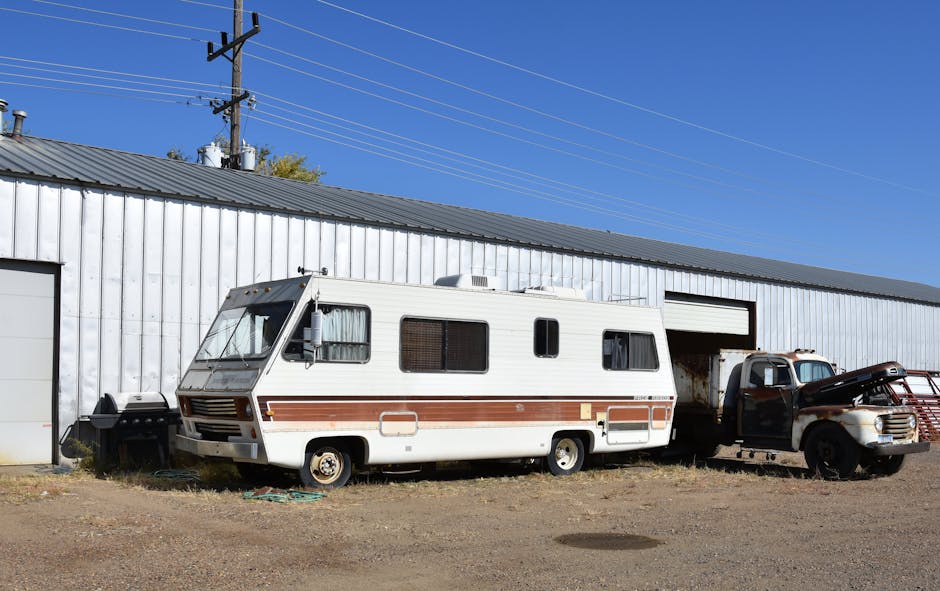
If you are looking for safe, reliable options for your rig, check out the amenities offered at locations like [Pine Ridge RV Park](/park/pine-ridge-rv-park) or [Mountain View Retreat](/park/mountain-view-retreat). Both offer excellent security for seasonal storage needs.