



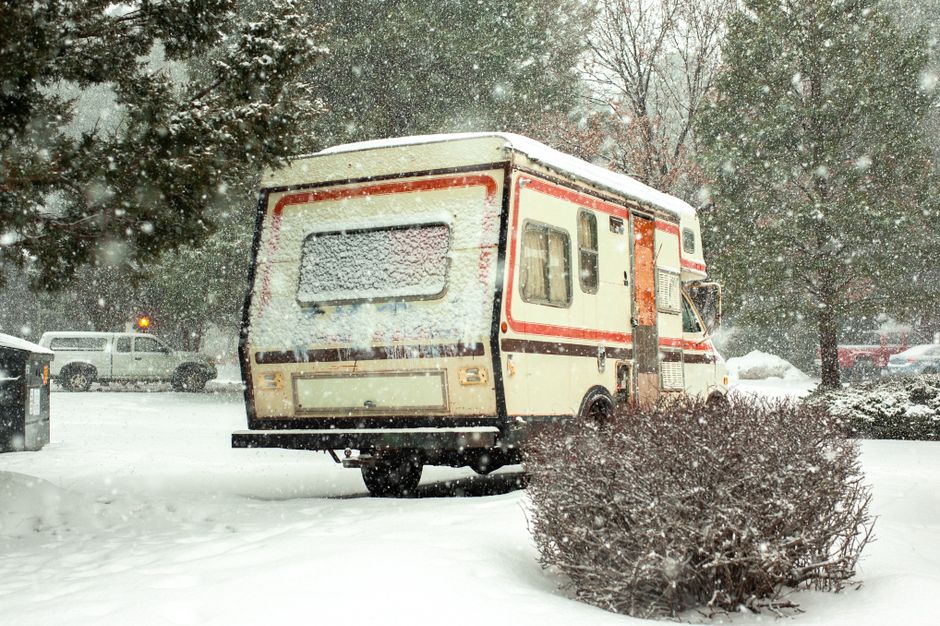
To Winterize or Not to Winterize?
If you live in a region where temperatures drop below freezing, winterizing is not optional; it is a necessity to prevent catastrophic plumbing damage. Even with an early freeze warning, you need to be prepared with the right amount of RV antifreeze.
For most standard travel trailers, you will need 2 to 3 gallons of RV-specific "pink stuff." Always bypass your water heater before pumping the solution through your lines to avoid wasting product and potentially damaging your tank.
Storage Solutions and Tire Maintenance
Choosing the Right Storage
When choosing between covered storage, indoor buildings, or open-air lots, consider your rig's exposure to UV rays and moisture. Designing custom RV storage buildings is ideal, but for most, a covered carport prevents snow buildup on the roof while allowing for necessary ventilation.
Tire Protection
Storing your RV on dirt or grass can lead to moisture wicking into your tires. Place leveling blocks or boards under the tires to create a barrier. If you are storing for an extended period, cover the tires to protect them from dry rot caused by harsh winter sunlight.
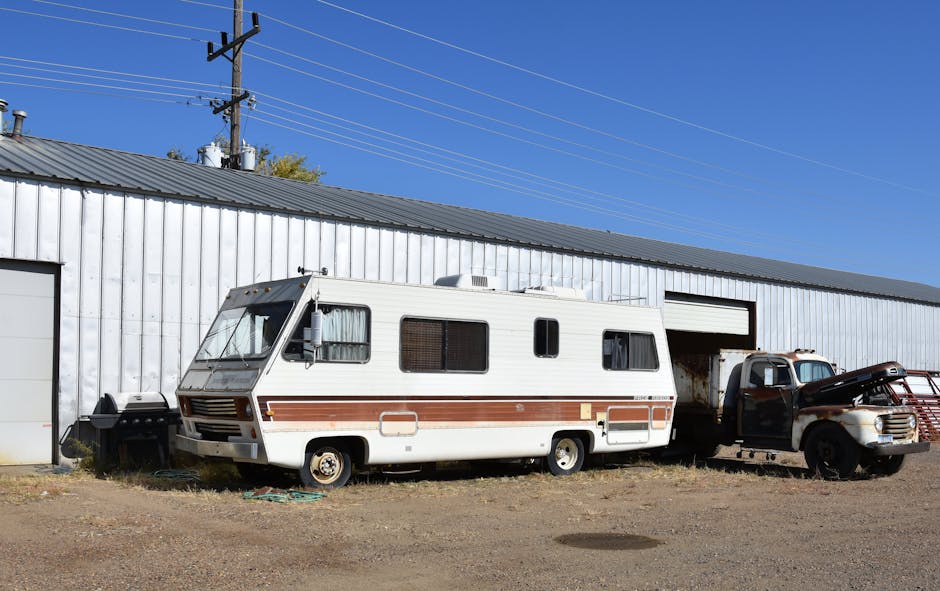
Heating and Winter Camping Considerations
A common question is whether heating under the trailer is a good idea. While some utilize heated hoses or under-skirting to protect tanks, it is rarely a replacement for proper winterization. If you plan on staying in campgrounds for the winter months, ensure you choose a site with reliable shore power and wind protection.
Focus on insulating your slide-outs and using interior dehumidifiers to combat condensation. Moisture is the silent killer in winter storage, so keep your vents cracked or utilize moisture-absorbing packets inside the cabin.