



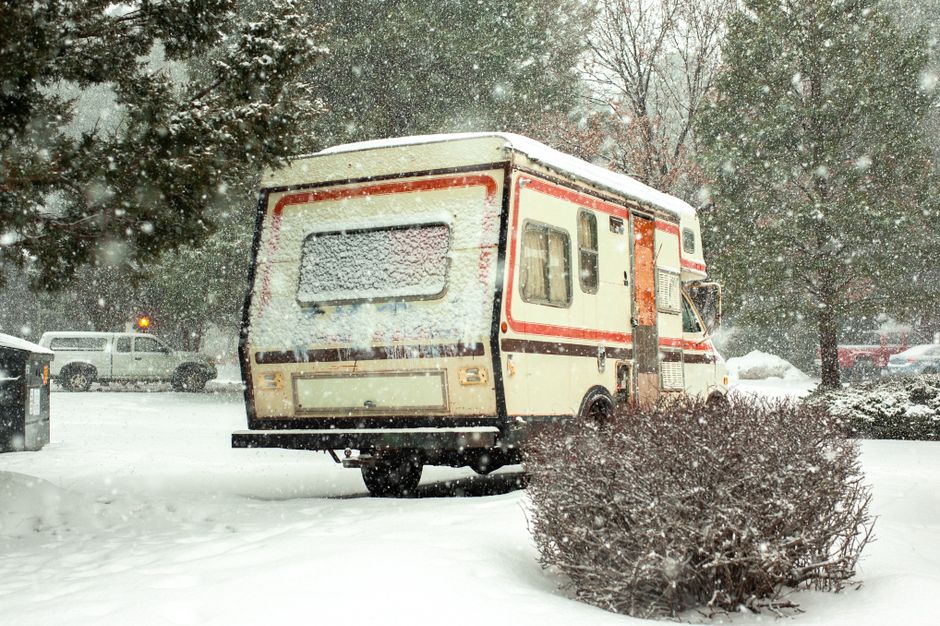
Winterizing Essentials: The Pink Stuff
If you are storing your rig in freezing temperatures, winterization isn't optional—it is a necessity to prevent cracked pipes and catastrophic water damage. A common question from first-timers is how much RV antifreeze they need. Generally, two to three gallons is sufficient for most travel trailers to flush the entire water system.
Is Complete Winterization Necessary?
If you live in a climate where temperatures consistently drop below freezing, the answer is a resounding yes. You must bypass your water heater and pump non-toxic RV antifreeze through every faucet, showerhead, and toilet line. Ignoring this step, even during a short early freeze, can lead to thousands of dollars in plumbing repairs.
Storage Solutions: Covered vs. Exposed
When choosing where to park, consider the long-term impact on your RV's exterior. Covered storage is the gold standard, as it protects your roof seals from UV damage and snow accumulation. If you are fortunate enough to have a large shop or a dedicated RV storage building, you’ve already won half the battle against the elements.
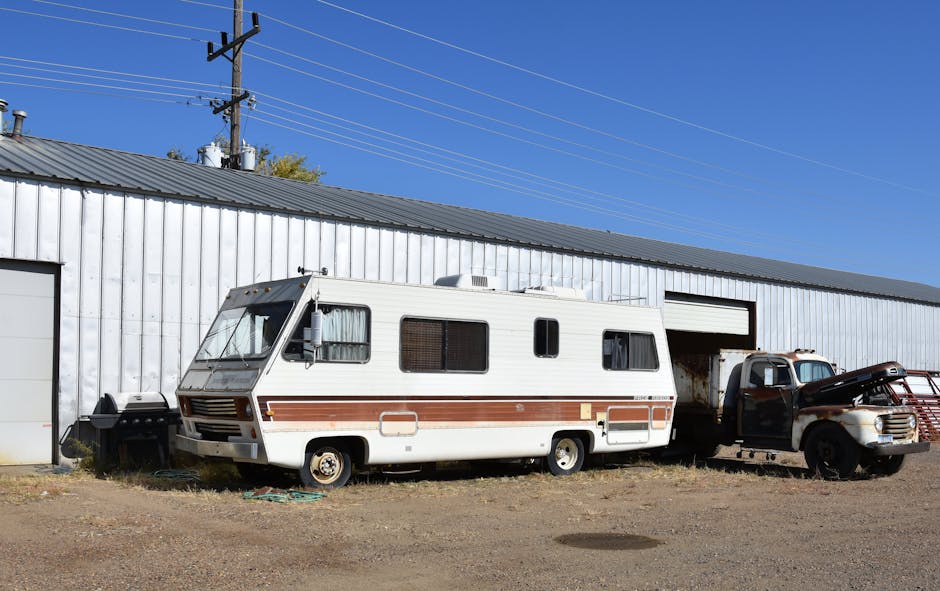
For those without indoor options, a high-quality, breathable RV cover is a must. Avoid using blue plastic tarps, which can trap moisture against your sidewalls and cause mold growth.
Protecting Tires and Infrastructure
Tires are prone to dry rot and flat spots during long-term storage. To keep them in top shape, inflate them to the manufacturer’s recommended PSI and, if possible, place them on level pads to prevent direct contact with cold, damp soil. Some owners prefer to use leveling blocks to keep the tires off the ground entirely.
Heating Under the Trailer
Many owners ask if heating under the trailer is a good idea. While some use skirtings and low-wattage heat lamps, proceed with extreme caution. Fire safety is paramount, and artificial heat sources should never be left unattended without a reliable monitoring system in place.