



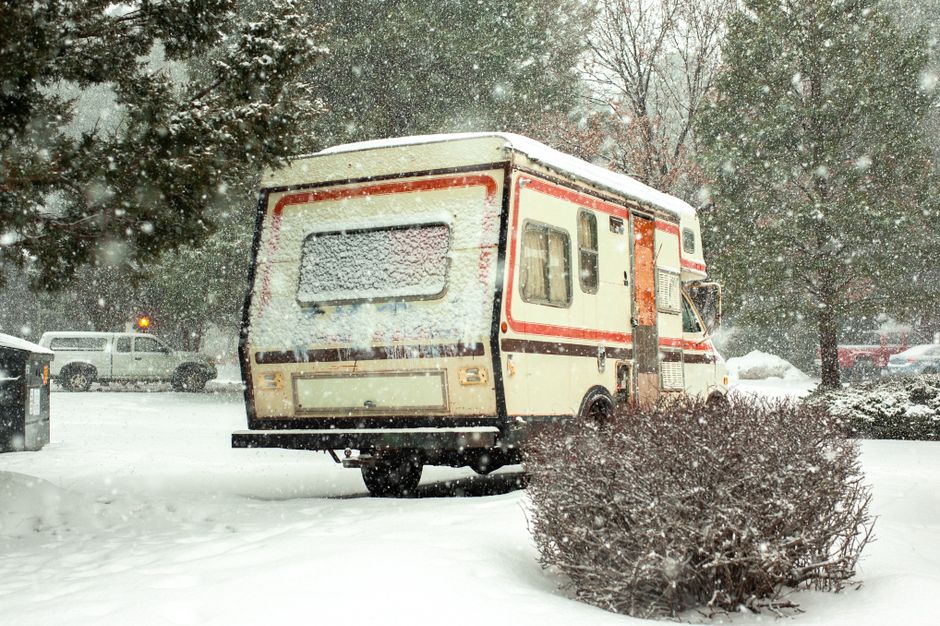
The Great Winterization Debate
Is complete winterizing actually necessary? If you live in a region where temperatures consistently drop below freezing, the answer is a definitive yes. Failing to remove water from your plumbing lines can lead to burst pipes and thousands of dollars in water damage.
For those wondering about the 'pink stuff,' a typical RV requires between 2 to 3 gallons of RV-specific antifreeze. Always bypass your water heater before pumping, and ensure you run the solution through every faucet, showerhead, and the toilet until you see the pink color flowing clearly.
Tire Care and Storage Solutions
Tires are often the most overlooked component during storage. Prolonged exposure to UV rays and stationary weight can lead to premature dry rot and flat spots. If your rig is sitting for months, consider using tire covers and, if possible, move the RV occasionally to distribute the weight.
To Cover or Not to Cover?
Covered storage is the gold standard for protecting your investment against harsh elements, snow loads, and UV damage. If you cannot secure a covered spot, a high-quality, breathable RV cover is a must to prevent moisture buildup and mold growth.
If you're not planning on storing at home, consider looking into climate-appropriate facilities. Many year-round travelers opt for campgrounds for the winter months in milder climates, effectively bypassing the need for heavy-duty winterization altogether.
Heating and Humidity Control
A common question is whether placing a heater under the trailer is a good idea. Generally, it is not recommended unless you are using equipment specifically designed for RV underbelly heating and have fire safety measures in place. It is far safer to focus on interior dehumidification.
Pro Tips for Freeze Protection
- Use a dehumidifier inside the RV to prevent condensation and interior mold.
- Leave cabinet doors open so heat can circulate around plumbing fixtures.
- Ensure all gray and black tanks are drained, flushed, and treated with antifreeze.