



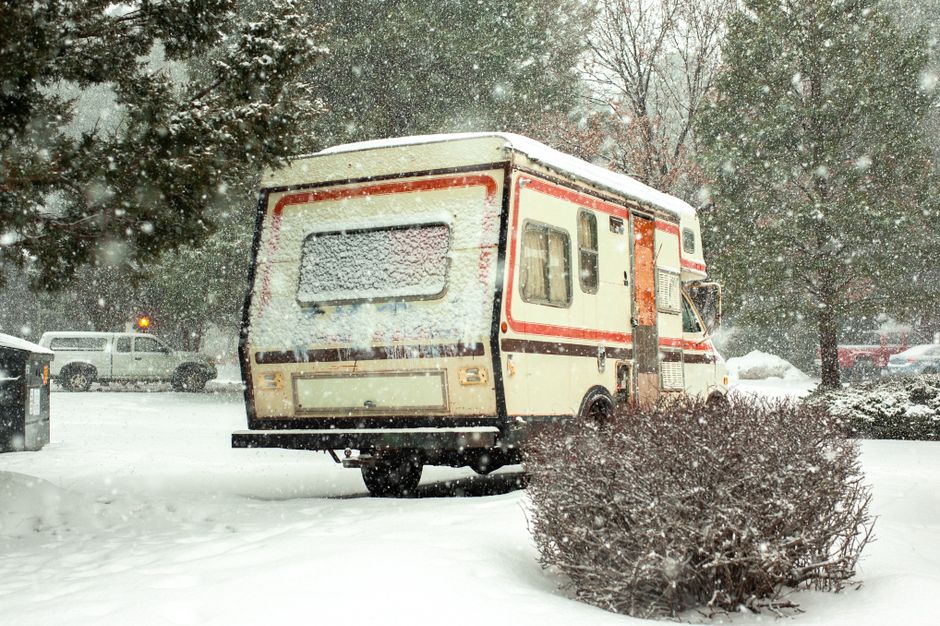
To Winterize or Not: Is It Necessary?
If you live in a climate where temperatures drop below freezing, the answer is a definitive yes. Leaving water in your lines, pump, or water heater can lead to burst pipes and thousands of dollars in repairs.
Even if you have an early freeze warning tonight, you can take immediate action. Drain your low-point drains and water heater first to mitigate the risk while you gather supplies for a full flush. Do not assume your rig is safe just because it is parked; an unheated RV is essentially a giant ice cube waiting to crack.
The Pink Stuff: How Much Do You Need?
For most travel trailers and fifth wheels, you will typically need 2 to 3 gallons of RV-specific antifreeze. Always use non-toxic, propylene glycol-based antifreeze specifically labeled for potable water systems.
Step-by-Step Winterization
- Bypass your water heater to prevent wasting gallons of antifreeze.
- Drain all water lines using the low-point drains.
- Use a water pump converter kit or an external hand pump to draw the pink stuff directly from the bottle into your plumbing.
- Open each faucet—hot and cold—until you see the pink liquid flowing steadily.
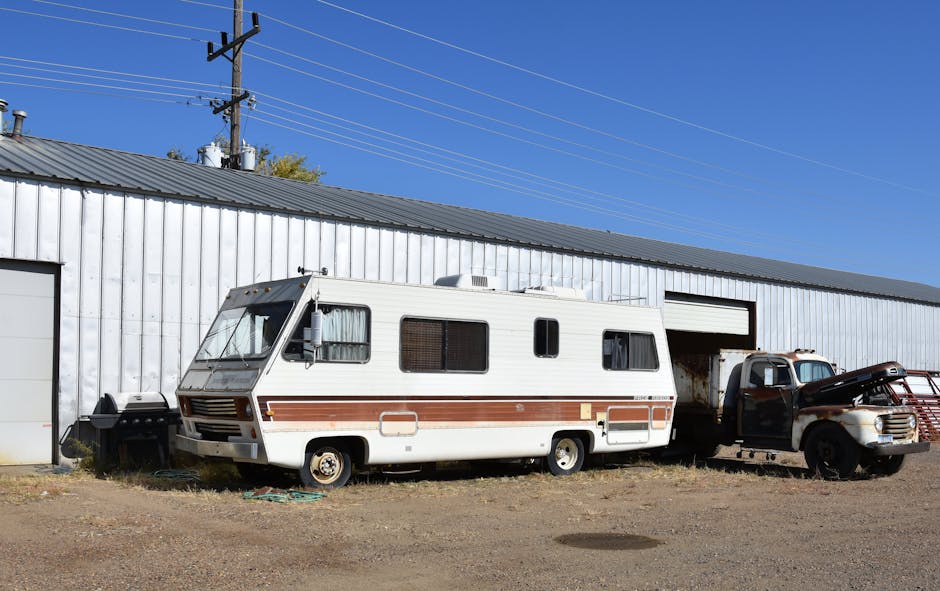
Selecting the Best Storage Solution
If you aren't camping year-round, your choice of storage impacts your rig's longevity. While outdoor storage is budget-friendly, covered storage is the gold standard for protecting your roof seals and decals from UV damage and heavy snow loads.
When designing or selecting a storage building, prioritize ventilation to prevent moisture buildup and mold. If you must store your RV outdoors, invest in a high-quality, breathable cover—never use a plastic tarp, as it traps moisture and promotes mildew growth inside your coach.