



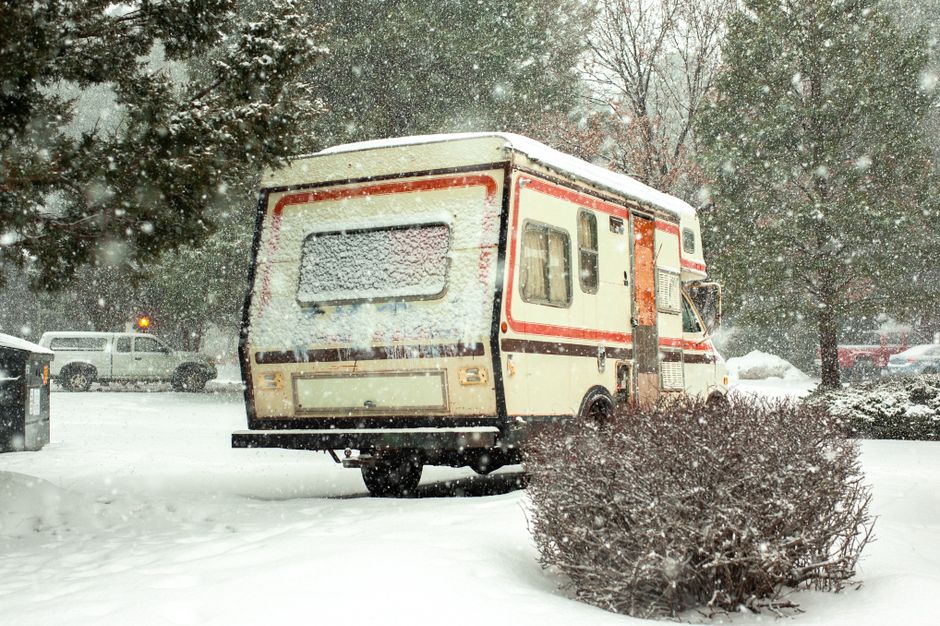
To Winterize or Not?
Many first-time owners ask if complete winterizing is truly necessary. The answer is simple: if your RV stays in an area where temperatures dip below freezing, you must protect your plumbing. Even a single night of unexpected frost can lead to catastrophic damage to your water lines, pump, and water heater.
Don't wait for the first freeze warning to act. If you aren't planning to hit the road during the winter, you need to clear the lines and ensure your systems are protected from the cold.
Winterizing Essentials: The 'Pink Stuff' and Plumbing
One of the most common questions is: how much RV antifreeze do I need? A standard travel trailer or motorhome typically requires two to three gallons of specialized RV-safe antifreeze to ensure every line is properly filled and protected. Avoid using automotive coolant, as it is toxic and will ruin your potable water system.
Winterization Steps
- Drain all water tanks, including the fresh water tank and water heater.
- Bypass the water heater to avoid wasting gallons of antifreeze.
- Open the lowest drain valves to remove as much residual water as possible.
- Use a water pump converter kit or hand pump to draw antifreeze through your lines.
- Run every faucet, showerhead, and toilet until you see the pink color appear.
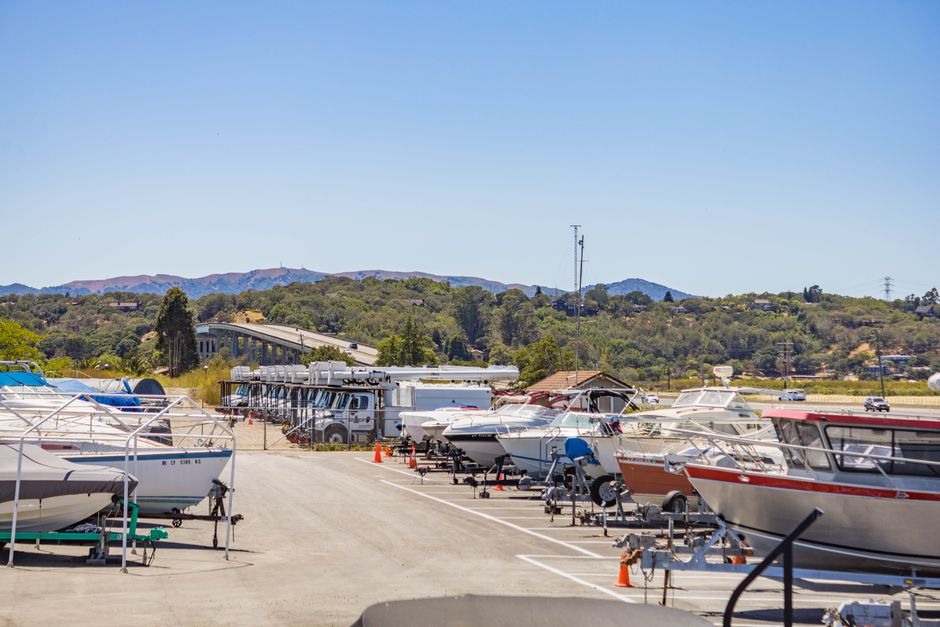
Tire Care and Storage Options
Your tires take a beating when sitting static for months. To prevent flat spots and sun damage, inflate your tires to the maximum recommended pressure. If you are storing your RV on soft ground, consider placing boards under the tires to prevent moisture wicking, or use tire covers to protect the rubber from UV degradation.
When choosing between covered storage and open-air lots, covered storage is always the gold standard. It keeps the roof seals protected from heavy snow loads and ice, which can lead to leaks during the spring thaw. If covered storage isn't an option, a high-quality, breathable RV cover is a must to keep debris and moisture away from your exterior surfaces.