



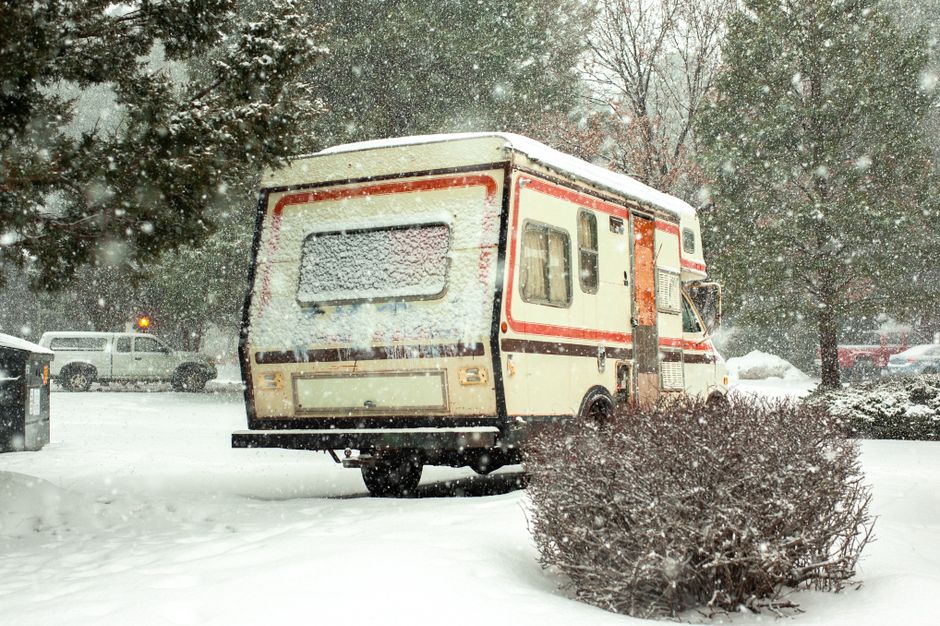
To Winterize or Not: Is It Necessary?
If you live in a climate where temperatures consistently drop below freezing, the answer is a definitive yes. Failing to remove water from your plumbing lines can lead to burst pipes, cracked fittings, and expensive water damage that often isn't covered by insurance.
Even if you have an early freeze warning tonight, you can take immediate action by turning off the water supply, opening low-point drains, and using an air compressor to blow out the lines. While complete chemical winterization is preferred for long-term storage, quick-drain techniques are a lifesaver in an emergency.
The Pink Stuff: How Much Do You Need?
For most travel trailers and motorhomes, two to three gallons of non-toxic RV antifreeze are sufficient to protect your plumbing system. The amount depends on your RV's size, specifically the length of your water lines and the size of your water heater.
Always bypass your water heater before adding antifreeze to avoid filling the tank unnecessarily. Remember: use only RV-specific propylene glycol antifreeze, never automotive coolant, which is toxic and can damage your freshwater system.
Tires and Storage: The Overlooked Essentials
Your tires take a beating when sitting static for months. UV rays and fluctuating ground temperatures can cause premature cracking and dry rot. If possible, park on concrete or wood planks rather than dirt, which leaches moisture into the rubber.
Covering your tires is one of the cheapest insurance policies available for your rig. Ensure your tires are inflated to the manufacturer's recommended PSI before putting the RV into long-term storage, and consider rotating them slightly every few weeks if you are visiting your unit in a local facility.

Choosing Your Storage Situation
When choosing between indoor, covered, or open storage, prioritize protection from the elements. Indoor storage is the gold standard, but covered storage offers excellent protection from snow buildup and harsh sunlight. If you must use open storage, ensure your roof seals are in perfect condition to prevent leaks during spring thaws.