




To Winterize or Not?
If you live in an area where temperatures drop below freezing, complete winterization is not optional—it is a necessity to prevent catastrophic plumbing damage. Even a brief early freeze warning can burst water lines, causing thousands in damages.
For those wondering about 'pink stuff' quantities, a standard 30-foot RV usually requires 2 to 3 gallons of RV-specific non-toxic antifreeze. Always bypass your water heater before pumping the solution through your lines to save on fluid and prevent tank contamination.
Storage Solutions: Covered vs. Outdoor
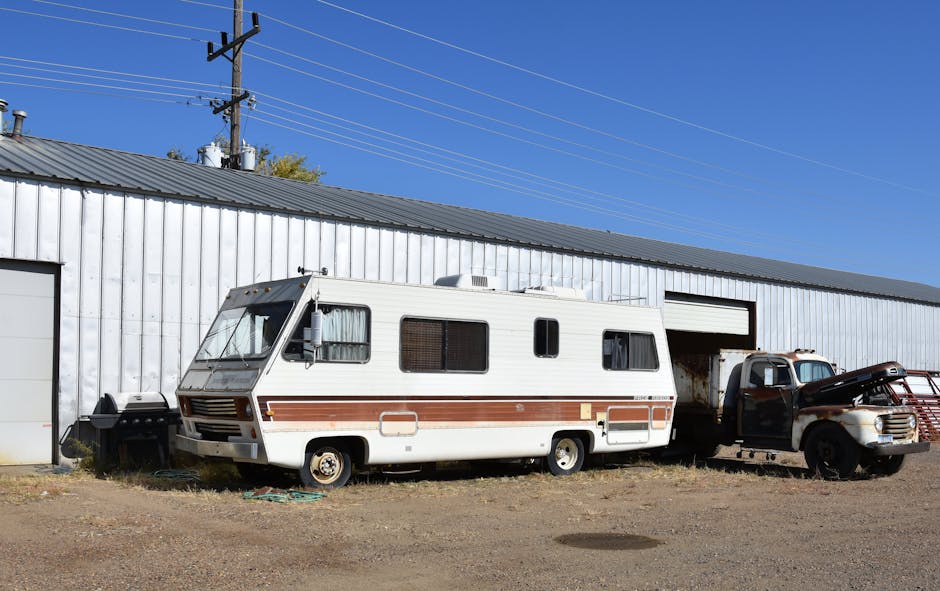
Choosing the right storage environment defines your RV's longevity. Covered storage is the gold standard, protecting your roof seals from UV damage and snow weight. If you must use outdoor storage, consider a high-quality breathable cover to prevent moisture buildup.
Thinking about heating under your trailer? While it might keep pipes warm, it is generally discouraged due to fire risks and the potential for creating a localized micro-climate that encourages rodent infestation. Instead, focus on thorough insulation and internal system draining.
Pro-Tips for Tires and Long-Term Protection
Your tires take a beating during storage. When an RV sits in one position for months, tires can develop flat spots and succumb to sidewall dry rot.
- Inflate tires to the maximum PSI recommended on the sidewall before storage.
- Use tire covers to shield rubber from UV degradation, which accelerates cracking.
- If possible, move the RV a few inches every month to shift the load.
Whether you are looking for long-term solutions or a quick spot for the season, remember that proper preparation now saves you a costly headache when spring finally arrives.