




Introduction to RV Winter Storage
Preparing your recreational vehicle for the off-season is one of the most critical maintenance steps an owner can take. Neglecting proper winterization can lead to catastrophic plumbing failures, tire damage, and costly structural repairs. Whether you are parking your motorhome for a few months or facing an unexpected early freeze, taking proactive measures saves you time, money, and stress when spring finally arrives.
Essential Plumbing Protection: How Much Pink Stuff Do You Need?
If this is your first time winterizing your RV, the most common question is: exactly how much non-toxic RV antifreeze (the pink stuff) do I need? For most standard travel trailers and motorhomes, two to three gallons is the baseline minimum to protect the lines, traps, and holding tanks.
However, having extra on hand never hurts. Follow this step-by-step process for a bulletproof winterization:
- Drain your fresh water tank, gray water tank, and black water tank completely.
- Bypass your water heater to avoid wasting gallons of antifreeze filling up the tank.
- Open all low-point drains and fixtures to purge residual water from the system.
- Use a blowout plug with compressed air to clear out remaining moisture in the lines.
- Pump RV antifreeze through the system starting from the fixture furthest from the water pump.
Is Complete Winterization Really Necessary?
Many RVers living in milder climates or those who plan sporadic winter weekend getaways wonder if full winterization is mandatory. The short answer is: if temperatures drop below freezing (32 degrees Fahrenheit) for more than a few hours, water in your pipes will expand and burst them.
If you are facing an early freeze warning tonight and have not winterized yet, take immediate emergency steps:
- Disconnect all external water hoses and drain them immediately.
- Turn on cabinet doors beneath sinks to let warm air circulate around plumbing.
- Keep your furnace running at a low temperature (around 50-55 degrees) if you are still living in or near the rig.
- Use incandescent light bulbs or small safe space heaters in wet bays if power is available.
Heating Under the Trailer and Tire Care During Storage
A popular debate among seasoned RVers is whether heating under a trailer in winter is a good idea. Skirting your trailer helps block freezing winds and creates a thermal barrier, but adding a heat source underneath requires extreme caution. Always use thermostatically controlled, certified safe heating elements to avoid fire hazards if you choose to keep the underbelly warm.
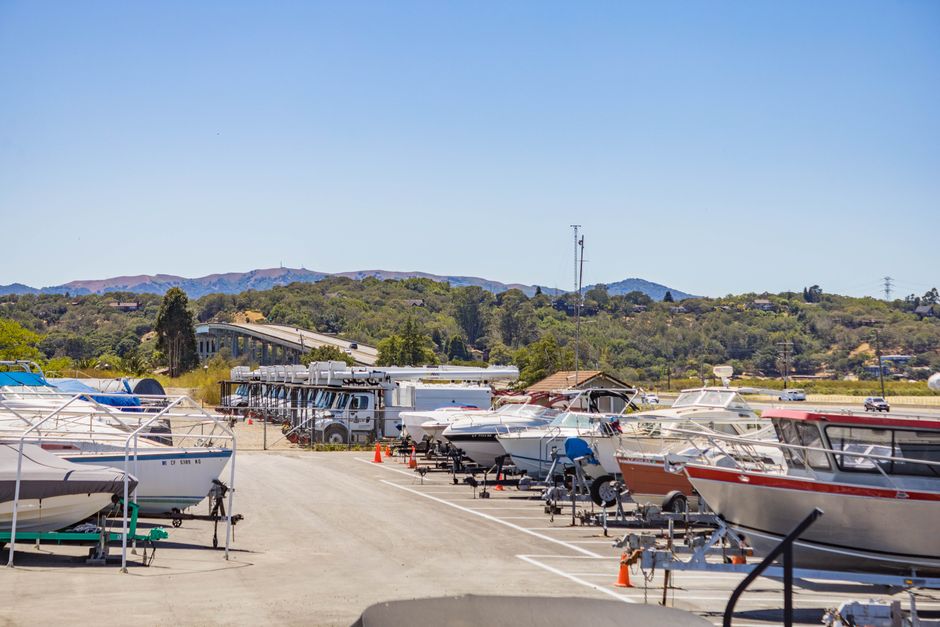
Equally important is how you treat your tires during extended storage. Rubber degrades faster when exposed to harsh UV rays, ozone, and weight sitting in one spot for months. Protect your investment with these tire care tips:
- Inflate your tires to the maximum recommended pressure before parking.
- Use opaque tire covers to shield rubber from damaging sun exposure.
- Park on flat, dry surfaces like concrete, gravel, or boards rather than bare mud or grass to prevent moisture rot.
- Consider rolling the vehicle slightly every few weeks if feasible to change the contact patch.
Motorhome Storage Options: Covered vs. Outdoor
Choosing where to store your rig plays a major role in its longevity. Covered storage provides superior protection against snow loads, ice dams, hail, and tree debris while allowing good airflow. If indoor or covered options are unavailable, a breathable, custom-fit RV cover is essential for outdoor storage. Avoid cheap blue tarps that trap condensation, chafe against the fiberglass, and cause mold growth.