



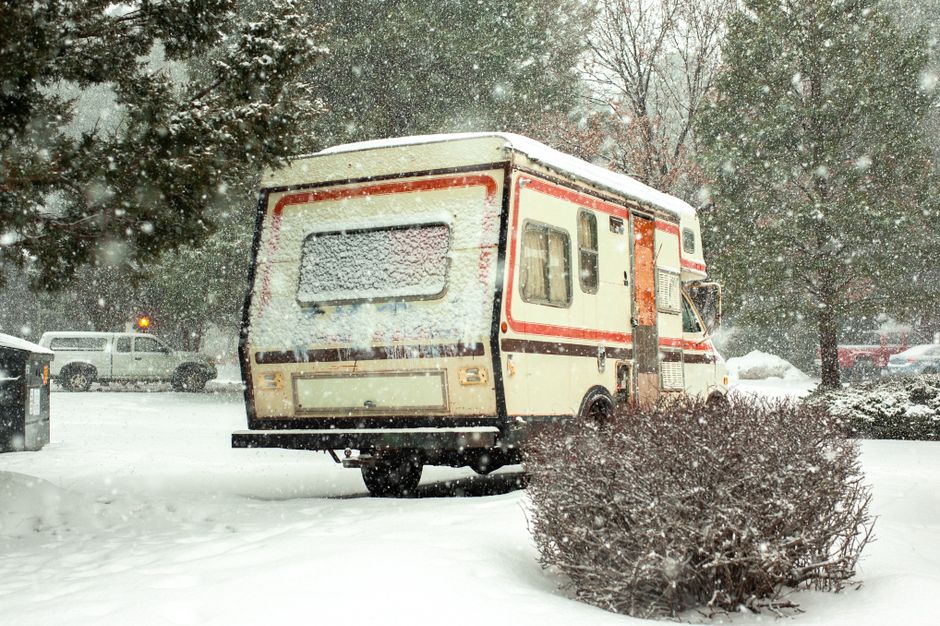
Navigating Winter RV Storage: Changing Spots and Covered Protection
As freezing temperatures approach, finding the right home for your rig becomes priority number one. Whether you are changing storage spots to a more secure facility or transitioning from open-air to covered storage, proper planning prevents costly off-season damage. Covered storage is the gold standard, shielding your roof from heavy snow loads, ice dams, and damaging UV rays that degrade rubber seals.
If you are planning to hit the road instead of parking it, popular regions like South Texas are filling up fast. TACO expects a very busy winter season, urging Winter Texans to book early to secure their preferred spots in warm-weather campgrounds. Securing your winter destination early ensures you won't get left out in the cold.
Plumbing, Pink Stuff, and Preventing Freeze Damage
An early freeze warning is every RVer's worst nightmare. A common question among first-time owners is: just how much pink stuff do I need? For most standard travel trailers and motorhomes, two to three gallons of non-toxic RV antifreeze is enough to thoroughly protect your plumbing lines, traps, and holding tanks.
You might wonder if complete winterization is truly necessary if you live in a milder climate. The short answer is yes, if temperatures drop below freezing for even a few consecutive hours. A single unexpected hard freeze can burst PEX lines and destroy water pumps. Always drain your low-point drains, blow out the lines with compressed air, and pump the antifreeze through every fixture.
Chassis Batteries, Modern Electrical Concerns, and Tire Care
Modern rigs, such as the 2025 Revel chassis, come with advanced electrical systems that require specific winter care. Smart alternators and lithium or AGM house batteries demand careful monitoring. parasitic draws from dashboard electronics can drain a chassis battery in weeks, so invest in a quality trickle charger or disconnect your batteries entirely during storage.

Tire health is another critical factor often overlooked during long-term storage. Rubber degrades faster when exposed to direct sunlight and ozone, and flat-spotting can occur if a heavy motorhome sits in one position for months. To protect your investment, consider these essential tire care steps:
- Inflate tires to their maximum recommended cold pressure before parking.
- Use tire covers to block out damaging UV rays and ozone degradation.
- Park on rubber mats, wood planks, or plastic leveling blocks to prevent moisture transfer from cold pavement.
- Move the vehicle a few feet every month if possible to shift the contact patch.
Heaters, Skirts, and Winter Camping Realities
If you plan to stay in your RV through the winter months rather than storing it, you will need to tackle heating and insulation challenges. A frequently debated topic is whether heating under the trailer is a good idea. Running a safe, thermostatically controlled space heater underneath a properly skirted RV can prevent your underbelly tanks from freezing solid.
However, you must exercise extreme caution with auxiliary heating sources to avoid fire hazards or excessive propane consumption. Combine skirting with heated water hoses and interior moisture control, like dehumidifiers, to keep your winter camping experience comfortable and dry.