




Navigating the First-Time Freeze and Winterization
When an early freeze warning strikes, panic often sets in for RV owners. Whether complete winterization is strictly necessary depends entirely on your local climate and whether your rig will remain heated. If temperatures are dropping below freezing and your RV sits idle, water lines, pumps, and water heaters are at immediate risk of catastrophic rupture.
First-timers often ask: how much pink stuff do I actually need? For most standard travel trailers and motorhomes, purchasing two to three gallons of non-toxic RV antifreeze (propylene glycol) is the safe baseline for a blow-out and fill method, though larger rigs with washer-dryer hookups or multi-bath layouts may require four to six gallons. Always bypass your water heater before pumping the lines.
Under-Trailer Heating and Storage Options
If you plan to use your RV through freezing weather, the question of heating under the trailer often comes up. While putting a skirt around your RV and placing a thermostatically controlled heater underneath can prevent underbelly freeze-ups, it introduces significant fire hazards and moisture issues if not monitored meticulously.
If you are changing storage spots for the off-season, weigh the pros and cons of covered storage versus open-air lots. Covered storage protects your rubber roof, decals, and seals from UV degradation and heavy snow loads, significantly extending the lifespan of your motorhome or trailer.
Protecting Tires and Managing Motorhome Storage
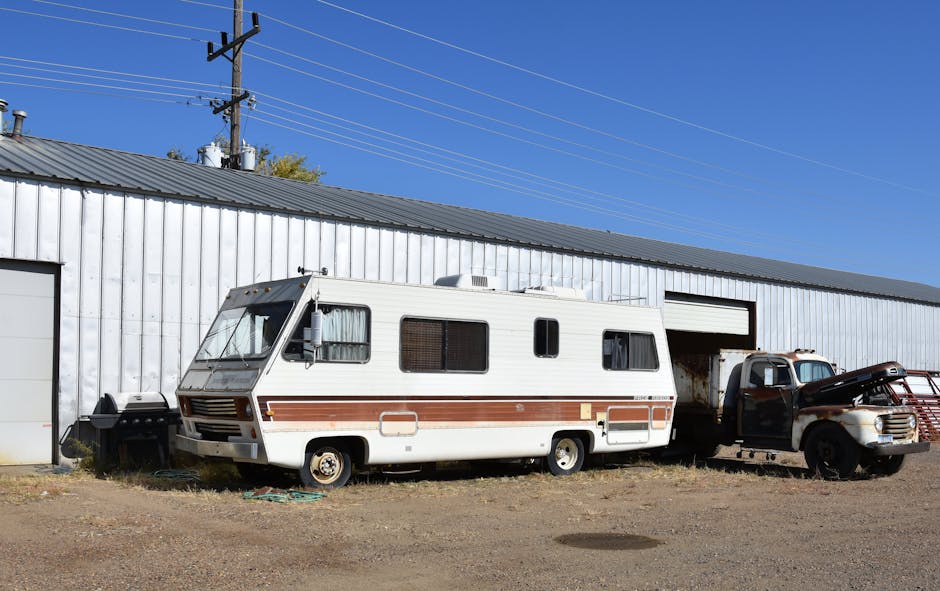
Your tires take a massive beating during long-term storage, especially when bearing the heavy static weight of a motorhome in freezing temperatures. To prevent flat-spotting and premature sidewall cracking, inflate tires to their maximum recommended pressure, clean off road grime, and use opaque tire covers to block damaging UV rays. Placing rubber mats or wooden boards beneath the tires also creates a vital moisture barrier against cold ground.
By tackling winter preparation methodically—from draining tanks to sealing entry points against pests—you ensure your rig comes out of hibernation ready for the next adventure.