




Urgent Weather & Rapid Winterization Essentials
When an early freeze warning hits your local forecast, panic can easily set in for first-time owners. Whether you are dealing with a sudden drop in temperature or planning your seasonal shutdown, acting quickly is vital to prevent cracked pipes and costly structural water damage.
First-Time Winterizing: How Much Antifreeze Do I Need?
A common question among beginners is figuring out how much RV antifreeze to purchase. As a reliable rule of thumb, most standard travel trailers and fifth wheels require about two to three gallons of non-toxic RV pink antifreeze to properly flush the plumbing lines, P-traps, and holding tanks.
- Drain your fresh water tank, grey tank, and black tank completely.
- Bypass your water heater using the designated valves to save gallons of antifreeze.
- Blow out the lines with compressed air if you have a blowout plug for extra security.
- Pump the pink antifreeze through every faucet, showerhead, and toilet until you see clear pink liquid flowing.
Is Complete Winterizing Always Necessary?
If you live in an exceptionally mild climate where temperatures rarely dip below freezing, you might wonder if full winterization is required. However, even a single unexpected overnight hard freeze can destroy water pumps and split water lines, making standard winterization a smart, cheap insurance policy.
Tire Care, Storage Spots, and Heavy Rig Management
Preparing your rig for storage goes far beyond the plumbing system. Tires, exterior covers, and the physical location of your rig all play a massive role in how well it weathers the off-season.
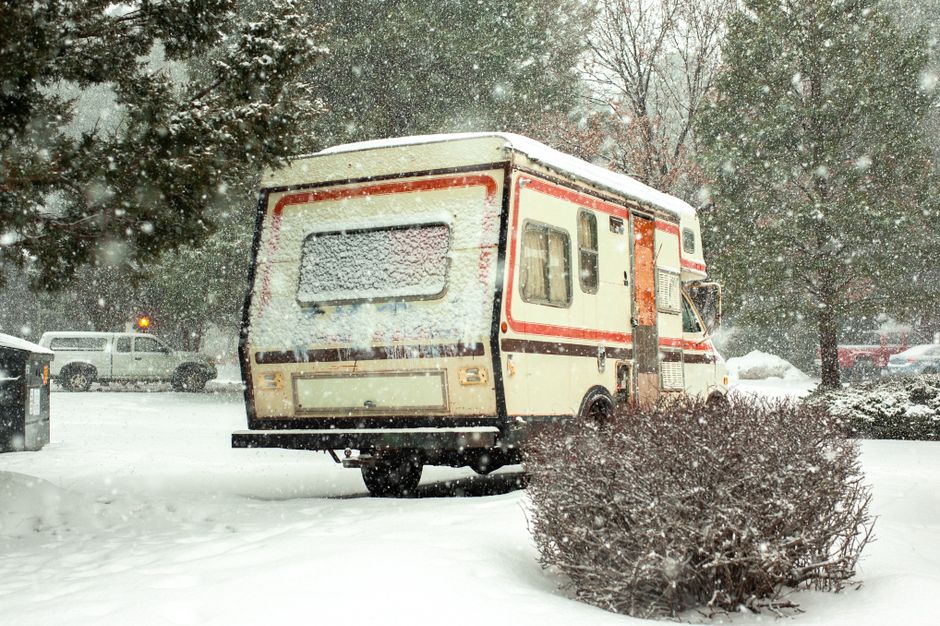
Protecting Tires During Long-Term Storage
Rubber degrades quickly when exposed to harsh winter elements and constant weight loads in one spot. Inflate your tires to their maximum recommended pressure before parking, and use tire covers to block damaging UV rays. Consider parking on rubber mats or wood blocks to prevent moisture absorption from cold ground surfaces.
Choosing Between Covered and Outdoor Storage
Switching storage spots can dramatically impact your RV's lifespan. Covered storage protects your rubber roof, seals, and exterior decals from snow loads, ice damming, and relentless sun damage. If you must use open-lot outdoor storage, invest in a breathable, high-quality custom RV cover rather than a cheap blue tarp that can trap moisture and flap violently in winter winds.
Motorhome and Fifth Wheel SpecificsIf you are new to larger rigs like fifth wheels, managing your truck bed storage and pin box accessories is crucial. Keep critical tools, blocks, and hitch lubricants organized and sealed against moisture. For motorhomes, run the generator under a load monthly to keep the fuel system fresh and the engine battery charged.
Winter Camping and Under-Trailer Heating Strategies
Not everyone puts their RV away for the winter. Some hardy travelers prefer chasing snowscapes or finding open winter campgrounds for seasonal adventures.
Is Heating Under the Trailer a Good Idea?
If you plan to camp in freezing weather, managing underbelly temperatures is vital to keeping your pipes from freezing. Many owners use skirting around the base of the trailer combined with a low-wattage electric space heater or safe radiant heating elements underneath. Always ensure proper ventilation if using any heating device near the underbelly to eliminate fire hazards and dangerous carbon monoxide buildup.
Finding Winter-Friendly Campgrounds
Securing a spot that stays open year-round requires advance planning. Look for parks with frost-free hydrants, heated bathhouses, and pull-through sites designed for easy winter access. Proper skirting and heated water hoses will keep your winter camping trip comfortable, cozy, and hassle-free.