




Motorhome Storage & First-Time Winterization Essentials
Preparing your motorhome for winter storage can feel overwhelming, especially if it is your first time facing freezing temperatures. Whether you are parking your rig in a dedicated facility or utilizing temporary winterization strategies, taking proactive steps prevents catastrophic plumbing failures. A proper winterization routine ensures your investment survives the coldest months intact.
One of the most common questions beginners ask is: how much pink stuff do I need? For a standard travel trailer or Class C motorhome, you will typically need two to three gallons of non-toxic RV antifreeze if you blow out your lines with compressed air first. If you are filling the entire system strictly by pumping antifreeze straight from the jug, plan on having four to six gallons on hand to ensure every PEX line and trap is fully protected.
Is Complete Winterization Always Necessary?
If you live in a climate with only occasional, mild dips below freezing, you might wonder if full winterization is required. Temporary winterization methods—such as using incandescent trouble lights in wet bays, running tank heaters, or simply keeping the interior furnace set to a low 50 degrees—can work for a quick overnight freeze. However, if your rig will sit unused for weeks in sub-freezing conditions, complete winterization involving an air blowout and RV antifreeze is the only foolproof method to avoid costly repairs.
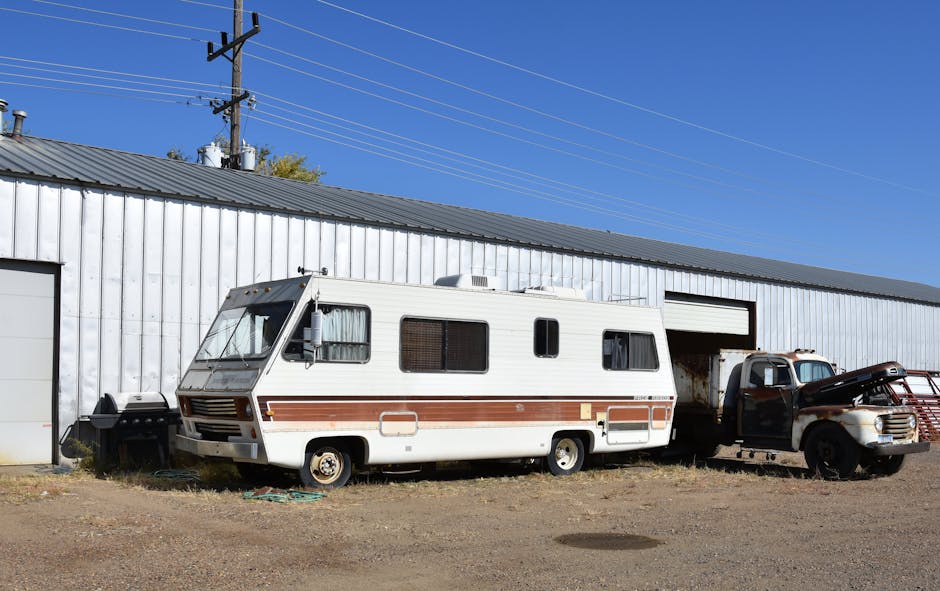
Covered Storage and Tire Protection During Extended Parking
Protecting your motorhome's exterior and tires is just as crucial as safeguarding the plumbing system. If possible, opt for covered storage to shield your rubber roof from harsh UV rays, heavy snow loads, and ice dams. If you are using a fabric RV cover, ensure it fits snugly and is padded at sharp corners to prevent chafing in winter winds.
How to Care for Tires in Storage
Rubber degrades much faster when sitting stationary in freezing temperatures, especially while bearing the full weight of a heavy motorhome. To prevent flat-spotting and sidewall cracking, follow these tire-saving steps:
- Inflate all tires to their maximum recommended cold pressure before parking.
- Park on rubber leveling blocks, wood planks, or specialized tire cradles to keep tires elevated off cold, damp ground or concrete.
- Install opaque tire covers to block out damaging UV rays that accelerate dry rot.
- Move the vehicle a few feet every month if possible to shift the contact patch.
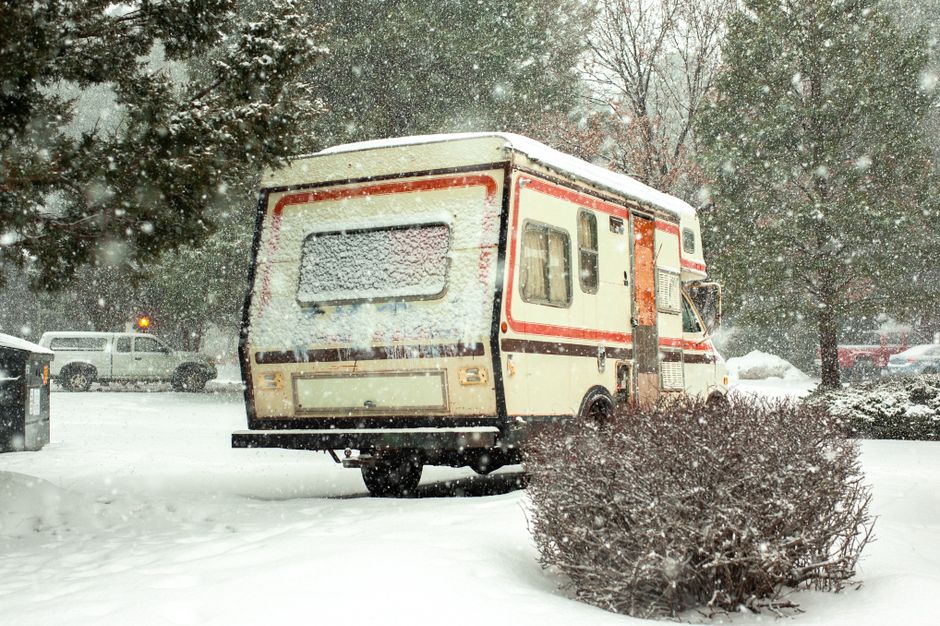
Handling Early Freeze Warnings and Emergency Prep
An unexpected early freeze warning can send any RVer into a panic. When Mother Nature drops temperatures below freezing overnight before you have scheduled your full winterization, quick action is required. Disconnect and drain all external water hoses immediately, open your low-point drains, and open interior cabinet doors so warm air can circulate around vulnerable plumbing lines.
Communities across the country—from local RV resident groups to seasoned full-timers—agree that preparation is your best defense against cold-weather damage. Check your local storage facility guidelines, winterize your tanks before the hard freeze arrives, and rest easy knowing your motorhome is fully protected until spring.