



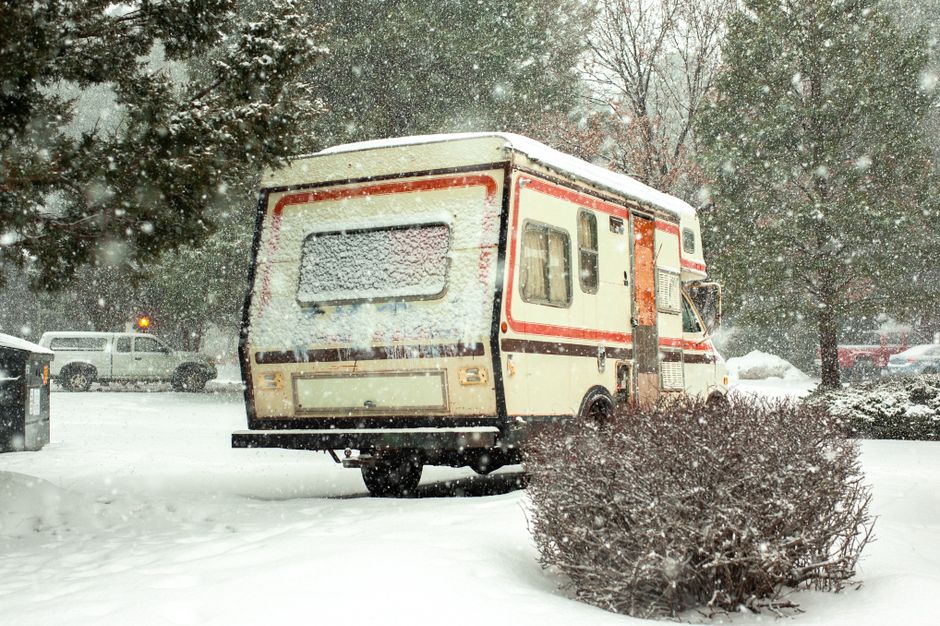
Winterization 101: Is It Necessary?
If you live in a climate where temperatures drop below freezing, winterizing is not optional—it is a critical maintenance step. Allowing water to sit in your plumbing lines, water heater, or pump will lead to catastrophic damage when that water freezes, expands, and cracks your pipes.
Even if you have an 'early freeze warning' tonight, you can perform an emergency winterization. At a minimum, drain your low-point water lines and water heater immediately. Blowing out your lines with compressed air is a great short-term fix if you don't have antifreeze on hand.
The Pink Stuff: How Much Do You Need?
For a standard RV, you will typically need two to three gallons of non-toxic RV antifreeze. However, the exact amount depends on the length of your plumbing runs and whether you have a large water heater bypass.
- Always bypass your water heater before pumping antifreeze.
- Run your faucets, starting with the one furthest from the pump, until you see the pink liquid flowing.
- Don't forget the toilet valve and the exterior shower.
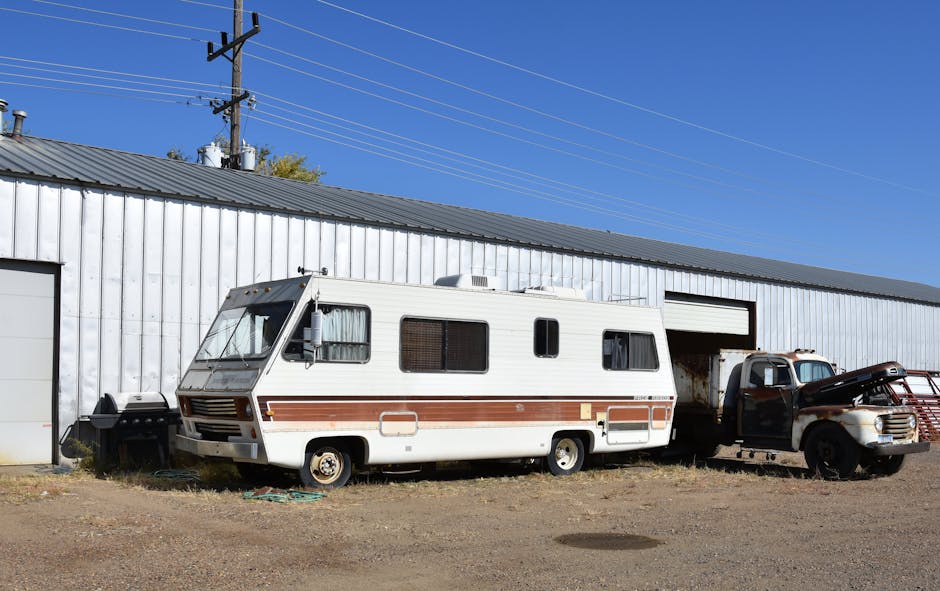
Selecting the Best Storage Solution
When choosing between outdoor, covered, or indoor storage, consider your specific needs. Covered storage is the industry gold standard as it protects your seals from UV degradation while preventing heavy snow or ice accumulation on your roof.
If you are designing your own storage building, prioritize proper ventilation. Condensation is the silent killer of RV interiors during the winter months. Regardless of where you park, ensure your rig is level so that melting snow runs off correctly rather than pooling near vents or skylights.