



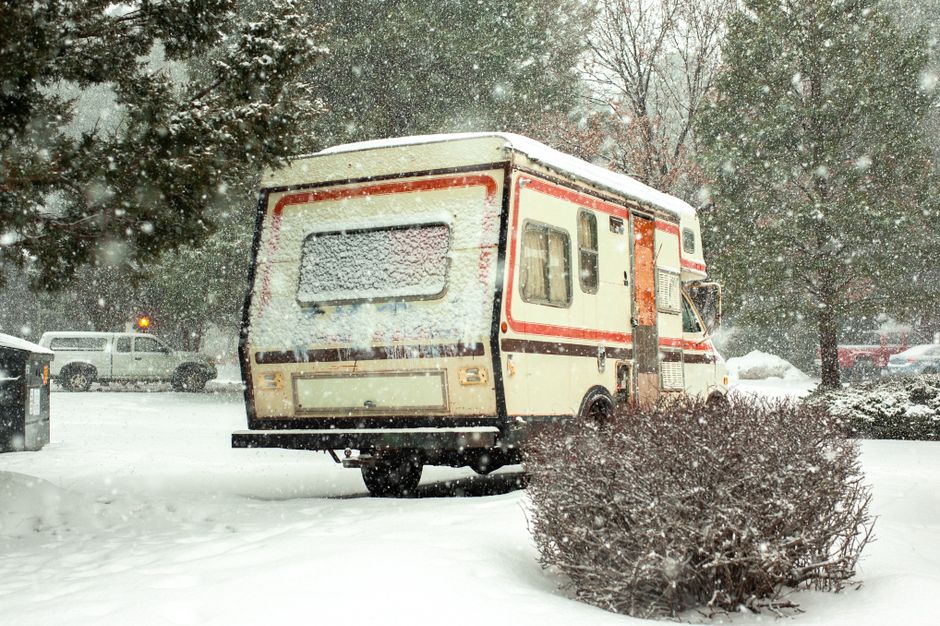
To Winterize or Not: Is It Really Necessary?
If your RV sits idle during the winter months, complete winterization is not just recommended—it is essential. Even in milder climates, a single unexpected night below freezing can cause thousands of dollars in damage to your water lines, pump, and water heater.
Many first-timers ask if they can skip the process. The answer is a resounding no. Unless your rig is in a climate-controlled building, the water remaining in your pipes will expand when it freezes, leading to cracked fittings and catastrophic leaks come spring.
First-Time Winterizing: The Pink Stuff
How much antifreeze do you actually need?
For most standard travel trailers and motorhomes, two to three gallons of non-toxic RV-specific antifreeze is sufficient to protect your plumbing system. Always look for the RV-grade pink stuff; never use automotive antifreeze, which is toxic and will damage your fresh water system.
- Drain all fresh water tanks and water heater.
- Bypass your water heater to avoid filling the tank with antifreeze.
- Use an RV blow-out plug with an air compressor to remove excess moisture.
- Pump the antifreeze through every faucet, toilet, and shower until you see the pink color flowing.
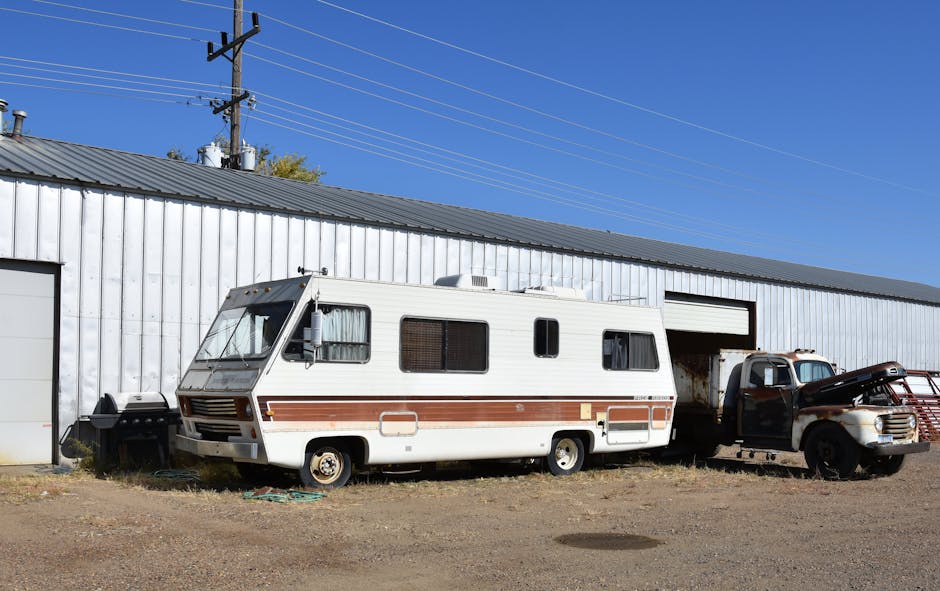
Storage Solutions: Covered vs. Open
Choosing where to park your rig is just as important as the winterization process itself. If you have the budget, covered storage is the gold standard for protecting your roof seals from UV damage and snow accumulation.
Open storage is a common alternative, but it requires more vigilance. You must ensure your roof is clear of heavy snow, which can cause structural stress or leaks as it thaws and refreezes. Regardless of where you park, always invest in a high-quality, breathable RV cover to keep moisture and pests at bay.
Handling an Early Freeze Warning
If you wake up to a surprise freeze warning, don't panic. If you cannot fully winterize immediately, open your interior cabinets to allow heat to reach plumbing lines, and keep the furnace set to a low temperature to circulate warm air through the underbelly.
Long-term, consider storing your vehicle at reliable facilities like [Greenwood RV Park](/park/greenwood-rv-park) or [Blue Sky Campground](/park/blue-sky-campground), where management can help monitor site conditions during the coldest months.